Get Full Government Meeting Transcripts, Videos, & Alerts Forever!
Get email alerts on the Sewer Fees topic
No spam. Unsubscribe anytime.
Council delays per-unit sewer base fee for multifamily and mobile-home units after landlord objections
Summary
Council voted to delay implementation of a proposed per-unit sewer base charge for multifamily and mobile-home parks until Jan. 1, 2026, to allow more study after landlords and council members raised concerns about fairness and disproportionate impacts on small landlords and low-income tenants.
The Ottumwa City Council voted to delay the imposition of a proposed per-unit sewer base fee on multifamily and mobile-home park units until Jan. 1, 2026, giving staff and council additional time to study fee structure and potential impacts.
Background: staff presented an ordinance change that would apply a base sewer charge on each residential unit. Historically the city applied a base charge per meter, which meant multifamily buildings with a single meter paid one base charge regardless of units. Staff said the change and accompanying rate adjustments stem from a prior system study and were intended to ensure sewer operations and capital needs are funded equitably across users.
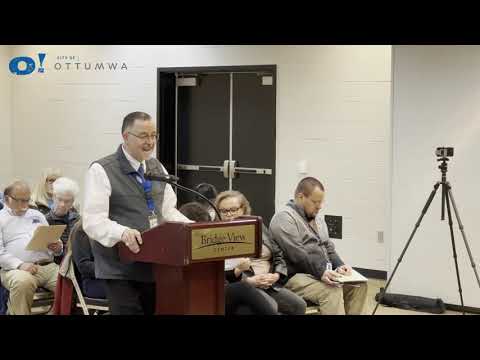
Public comment and council concerns: landlord Tony Long told the council the proposed per-unit charge would impose large monthly increases for small landlords (he described having three buildings served by one meter and warned that applying the fee per unit could force rent increases or threaten affordable housing). Council members asked about commercial metering (hotels, schools and larger businesses) and historical studies that informed the citys current structure. Staff said the city last did a comprehensive sewer load allocation study roughly when separation work started (circa mid-2000s) and noted commercial loads have changed since then.
Action taken: council directed staff to postpone implementation until Jan. 1, 2026, to allow time for further analysis and discussion, and to consider alternatives such as differential treatment for commercial vs. residential meters.
Next steps: staff will return with additional analysis of meter versus unit-based structures and cost implications, and the council will reconsider the charge before the new effective date. The delay preserves existing billing practices in the near term.