Get Full Government Meeting Transcripts, Videos, & Alerts Forever!
Get email alerts on the Municipal Code Reform topic
No spam. Unsubscribe anytime.
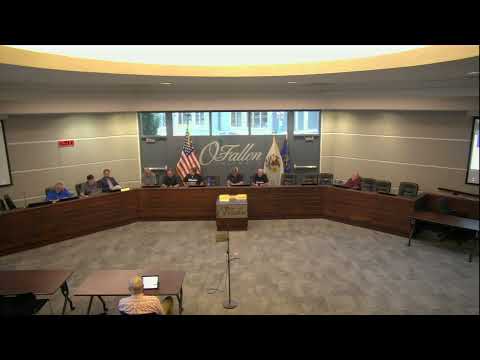
Committee forwards package of administrative and public-safety code changes to O'Fallon City Council
Summary
A package of amendments to Chapters 30–32 that would codify committee agenda procedures, require visible video for remote attendance, revise acting administrator succession, and create a stand-alone EMS department was advanced to council after committee approval.
Grant, a city staff presenter, told the committee the proposed amendments to Chapters 30–32 are "largely administrative in nature and are intended to improve clarity, governance, and organizational alignment within city code." The package would: formalize committee agenda procedures (the chair may place items on future committee agendas, or a majority of the committee can), require remote members to maintain video visibility during meetings, allow the mayor to appoint an acting city administrator for temporary absences rather than automatically assigning the assistant administrator, and create a separate EMS department with an EMS chief and service-fee authority.
Grant said the amendments update practices last substantially recodified in 2012 and that staff do not expect significant fiscal impacts. He noted the remote-attendance change was added during the COVID era and that requiring video responds to public requests and security concerns around identifying who is participating during executive sessions. The acting-administrator change was presented as flexibility for temporary vacancies; Grant noted there is currently a vacant assistant-administrator position and cited a recent instance in which Jeff Taylor served as acting administrator for signatory duties.
The committee discussed procedural details for introducing new business at the committee level and heard staff read the redlined language clarifying that new business generally must be properly agendaized before consideration. Committee members asked questions, received clarifications, and moved to advance the ordinance package. A roll-call vote in committee approved sending the package to the full City Council for final action.