Get Full Government Meeting Transcripts, Videos, & Alerts Forever!
Get email alerts on the Measurement Roadmap topic
No spam. Unsubscribe anytime.
Virginia board debates measurement roadmap and motion fails to advance cut‑score timeline
Summary
Board members split over a department proposal that previews higher proficiency cut scores and a bundled roadmap; after extended debate the board approved Item H but did not finalize the measurement roadmap (Item I) and moved into closed session for legal consultation.
A lengthy board discussion over Item I — a proposed measurement roadmap that would synchronize higher proficiency cut scores, rename school-rating categories, and change several accountability details — ended without a final board decision on the cut-score timeline and prompted motions over whether to remove or split parts of the roadmap.
Deputy Superintendent staff presented five actions for first review: (1) raise proficiency expectations on a revised timeline to reach the stated ‘North Star’ by 2028–29 (an option staff said differs in timing from a prior December board vote); (2) rename school performance categories (for example, off-track → approaching expectations, on-track → meets expectations); (3) use more timely grade-level data to calculate high-school mastery; (4) reallocate the English-language progress indicator’s weight more fairly across schools; and (5) consider pilot testing a different approach to recently arrived English learners (Exception A vs. Exception B).
Board members pressed for clarity. Several said they had not seen the detailed left/right cut-score comparison tables before this meeting and asked how the department derived the specific cut scores and why the tables had not been public earlier. Ms. McPherson and others warned that the public and school leaders need clear, early notice. Mr. Henson and multiple board members argued the field had asked for phased implementation to avoid a sudden “cliff,” while others urged faster action, saying urgency is needed for students furthest from opportunity.
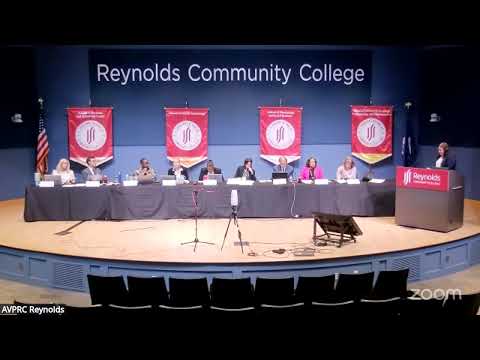
Procedural motions and votes: the board debated several procedural motions about whether to strike Item I from the agenda or to advance items 2–5 (the non-cut-score items) for first and final review. A motion to advance items 2–5 as a block for final review failed on roll call. Following further procedural maneuvering, the board voted to convene in a closed session for legal counsel; the meeting moved to closed session for legal advice on the matter.
What’s next: staff said some items (for example, renaming categories) could be implemented quickly and that moving to timely high-school data would require implementation planning before fall 2026 ratings. The board did not adopt a final timeline for implementing raised cut scores and directed additional staff work and clarification on public messaging, legal implications and data modeling before returning to the agenda.
The debate underlines a split on how to balance urgency and district readiness: board members agreed on the end goal (higher proficiency expectations) but diverged sharply on how quickly to implement the change and on how to present interim information to parents and educators.
The meeting then moved into closed session for legal consultation.