Get Full Government Meeting Transcripts, Videos, & Alerts Forever!
Get email alerts on the Charter Review topic
No spam. Unsubscribe anytime.
San Bernardino charter committee votes to delay ballot push, debate over mayoral powers intensifies
Summary
The Charter Review Committee debated proposals to strengthen the mayor’s office and other charter tweaks, then voted in a recorded roll call to pause efforts to place measures on the November 2026 ballot and continue work toward a 2028 timeline while pursuing public outreach.
The San Bernardino Charter Review Committee debated several proposed amendments to the city charter on June 10, including measures that would clarify or expand the mayor’s authority, and voted to delay recommending any measures for the November 2026 ballot in favor of continued deliberation toward 2028.
The split was stormy at times: public commenters and some committee members urged prompt action to give the mayor additional authority to lead economic and operational changes, while others warned against rushing a ballot measure without broad public outreach. The motion to defer ballot consideration to November 2028 passed on a recorded roll-call vote.
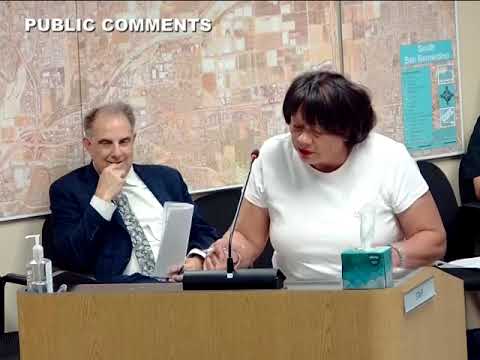
The committee opened with a lengthy public-comment period. Dolores Olmstead warned against restoring a strong-mayor model, saying it “opens it up” to corruption and arguing that “granting mayor sole authority to nominate city manager — heck no.” Several speakers, including Joe Salas and Jim Smith, emphasized rising voter turnout and urged residents be given the chance to decide constitutional changes through the ballot.
City Manager Eric Levitt told the panel he would confirm the precise election timing and eligibility for charter measures, saying he could “find that out by tomorrow, for sure.” The city attorney’s office had circulated a memo questioning whether some proposals fell outside the committee’s authorizing resolution (Resolution 2017-243), prompting members to debate whether to hear legal guidance before substantive discussion.
Committee members divided over process and pace. Supporters of moving ahead argued that the public’s strong interest and recent election results created urgency; opponents recommended more public forums and time for education so voters would understand the potential changes. “We need to have that debate with the public,” one committee member said, urging an election calendar that allows meaningful outreach.
On the motion to delay formal recommendations to the council until a 2028 ballot cycle, the city manager polled committee members by roll call: Casey Daley (Ward 1) Yes; Scott Olson (Ward 2) No; Angela Torres (Ward 3) Yes; Ward 4 vacant; Andy Garcia (Ward 5) Yes; Ricky Van Johnson (Ward 6) Yes; James Albert (Ward 7) Yes; Mayor’s appointee Timothy Prince No; Mayor’s appointee Letitia Briggs Yes. The chair recorded the motion as carried.
The committee also considered whether to cancel its regular June 24 meeting; after a roll-call vote a majority opposed cancelling and the June 24 meeting remained on the schedule. The committee directed staff to develop a timeline and public-engagement plan and agreed to continue discussion of priority items (identified by members as items A and B on their agenda) at upcoming meetings.
What’s next: staff will publish a proposed outreach and timeline for the committee, and members said they expect to continue monthly meetings and town halls to solicit public input before agreeing on specific language to send to the City Council. Any resolution seeking placement of a charter measure on a ballot must still follow council agenda deadlines if an earlier election is later attempted.
The panel adjourned after confirming the June 24 meeting would proceed.