Get Full Government Meeting Transcripts, Videos, & Alerts Forever!
Get email alerts on the K 5 Health Curriculum topic
No spam. Unsubscribe anytime.
New Canaan School District outlines K–5 skills-based health curriculum, including abuse-prevention and puberty lessons
Summary
District health staff presented a skills-based K–5 health program focused on a 'Wellness triangle,' grade-by-grade skills (communication, decision-making, analyzing influences), a state-mandated K–5 abuse-prevention unit, and scheduled puberty lessons with parent guides and feedback opportunities.
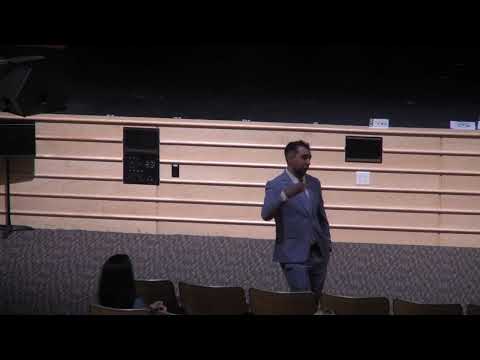
Presenter, a health-education instructor with the New Canaan School District, told parents the district’s K–5 program emphasizes building skills students can practice and apply rather than only teaching core concepts. “Students of Newan Public Schools will be equipped with the skills necessary to improve their health literacy,” the presenter said, framing the program around a skills-based motto the slides summarized as “skills build health.”
The presenter said the curriculum maps to eight National Health Standards and aims to improve students’ health literacy — defined in the presentation as the ability to access, understand, appraise, apply and advocate for health information and services. The presenter cited a national literacy figure during the talk, saying “only 12% of adults in this country feel they have a sufficient health literacy,” and described the district effort as an attempt to reverse that trend by teaching usable skills at an early age.
The program uses a stepwise instructional model: introduce a skill and its relevance, present the steps, demonstrate the skill, let students practice, and provide feedback. At the kindergarten level the lessons center on self-management using a visual “Wellness triangle” of physical, social and mental/emotional health; activities are highly visual and active (children act out physical, social and emotional cues). First grade revisits those habits; second grade focuses on interpersonal communication (including nonverbal cues and tone); third grade emphasizes a decision-making model; fourth grade analyzes influences such as family, culture and media; and fifth grade works on interpersonal communication, refusal skills (saying no to dares) and preparing for puberty.
The presenter described classroom exercises used at multiple grades: a third-grade story-based decision exercise, a fourth-grade “gingerbread” activity that separates internal from external influences, and a fifth-grade “happiness wall” where students post brief notes about what makes them happy to build a positive class culture. The presentation included short student video clips in which pupils described lessons they learned (sleep hygiene, trusted adults, assertive communication and the wellness triangle).
Addressing state requirements, the presenter explained a mandated K–5 sexual-assault and abuse-prevention component that focuses on communication, empathy, healthy relationships and identifying trusted adults at home and school. The presenter showed visuals used in class (a “trusted tree” and circle diagrams) and noted that the lessons are designed to encourage effective communication and decision-making as prevention strategies.
On logistics the presenter said K4 students receive 10 health lessons per year and that fifth graders receive about 14 lessons over a quarter delivered in workshop blocks; lessons are scheduled by homeroom on the district’s rotation days. For the puberty/human-growth unit, presenters said sessions are split by sex and that parent guides and dates are distributed so families know what will be taught. Parents were asked to use a QR code to submit feedback and were invited to review sample K–5 workbooks and materials on the stage after the presentation.
No formal votes or policy changes were announced; the session was presented as informational with staff available afterward to answer questions. The presenter and district staff encouraged family engagement and said materials will be sent home so parents can follow up with their children.
The district’s presentation concluded with an offer to remain after the session for questions, printed parent guides for the puberty lessons and a request that parents complete a brief QR feedback survey; presenters said all lesson guides also go home with students so families can review content.