Get Full Government Meeting Transcripts, Videos, & Alerts Forever!
Get email alerts on the Standardized Testing topic
No spam. Unsubscribe anytime.
Counselors: SAT now digital, ACT shortened; take the school‑day SAT and plan testing with your counselor
Summary
New Canaan counselors updated parents on major testing changes — SAT and ACT have moved to digital formats and the ACT now offers an optional science section — and advised students to take the SAT school day and consult counselors on retake strategy and scholarship use of scores.
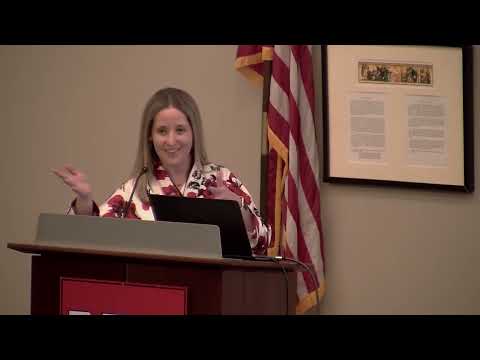
Counselors from New Canaan High School briefed parents on recent standardized-testing changes and offered practical testing guidance for juniors.
"Testing is now completely digital," said Lindseay Gotfrieded, the counselor who led the testing update, noting that the SAT administered during the school day is digital and also serves as Connecticut's state test. Counselors said most students still take an SAT or ACT more than once (the average is two to three times), and that families should plan retakes and any additional registration on the College Board or ACT websites.
Gotfrieded said the ACT has adopted a shorter, digital format and now includes an optional science section; colleges are still determining how they will treat the optional portion, so counselors recommended that students sign up for it unless advised otherwise. Counselors also cautioned that test-optional policies remain in flux: some institutions have resumed requiring tests while others continue with optional or hybrid approaches.
Staff emphasized pragmatic steps: take the SAT school-day test while the district offers it, consider at least one practice test to choose a preferred exam (SAT versus ACT), and consult counselors when deciding whether to send scores because some schools use scores for scholarships even if admission is test-optional. Counselors pointed parents to posted resources and deeper workshops linked on the counseling website for families seeking more detailed test-preparation guidance.
Counselors concluded that testing policy continues to evolve and advised families to discuss testing strategy during junior appointments.