Get Full Government Meeting Transcripts, Videos, & Alerts Forever!
Get email alerts on the Planning Regulations topic
No spam. Unsubscribe anytime.
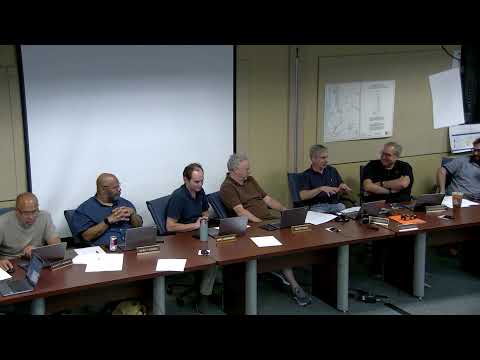
Brookfield planners debate how to handle prospective data centers, set regulatory workplan
Summary
Commissioners discussed defining and possibly regulating data centers — citing water, power and noise concerns — and directed staff to compile draft language and examples from other Connecticut towns. The commission also set a July 23 hearing for a town text amendment (Z-26-50) and reviewed downtown moratorium timing and streetscape updates.
Members of the Brookfield Planning and Zoning Commission spent a substantial portion of their meeting discussing the town's readiness to address data centers and other high-resource uses.
Commissioners raised concerns about water and power consumption, cooling needs, noise (notably from natural gas turbines used for on-site power), and potential effects on aquifers and agricultural land. One commissioner argued such developments "take a lot of water, a lot of power" and suggested the commission should prepare both a definition and regulatory framework to guide future applications. Staff pointed to an existing use classification — "TV and data facilities" — as a starting point for drafting more specific language.
The commission asked staff to collect sample regulations from other Connecticut towns, work on definitions and possible requirements (e.g., limits on water usage, noise thresholds, siting restrictions near sensitive resources), and compile a prioritized list of zoning amendments for upcoming months. Commissioners additionally discussed the town center moratorium on development, traffic mitigation zones for downtown, and pending streetscape work near the food emporium; staff said a biologist's report on invasives is expected later in the summer.
The commission set a public hearing for a related zoning text amendment (Z-26-50) on July 23 as part of its near-term regulatory agenda. No formal regulatory changes were adopted during the meeting; the discussion was directional and prioritized future drafting and outreach.