Get Full Government Meeting Transcripts, Videos, & Alerts Forever!
Get email alerts on the Student Technology Policy topic
No spam. Unsubscribe anytime.
Athol‑Royalston administrators push ‘bell‑to‑bell’ smartphone policy to curb classroom distractions
Summary
Administrators proposed a district‑level ‘bell‑to‑bell’ smartphone policy that would require students to secure phones for the school day, citing referral data, a community survey and examples from nearby districts; the committee scheduled further policy talks on June 4.
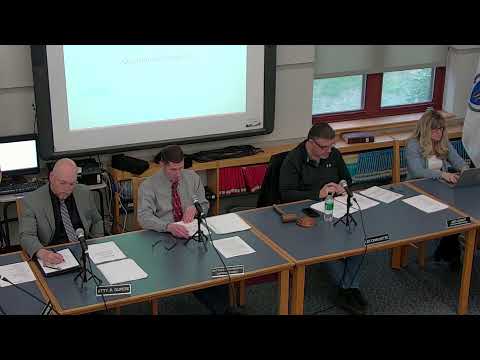
Administrators for the Athol‑Royalston schools presented a proposal May 21 to limit student smartphone use during instructional time by requiring phones be secured from bell to bell.
Presenter Jason King said the move is aimed at restoring focus to classrooms and reducing incidents tied to phones, including academic disruptions and cyberbullying. "It puts the emphasis back on the learning," King said, summarizing reasons district leaders say other regional high schools have seen benefits after adopting similar approaches.
The presenters cited district discipline data and a small community survey as evidence of the problem: according to the presentation, classroom referrals related to cell phones accounted for a substantial share of administrative referrals this year, and a two‑question community survey of 169 respondents found 81% said smartphones substantially distract from learning. "We are in the middle of a crisis with our youth mental health," Jason King said, arguing that limiting phone access during school could reduce anxiety tied to constant social‑media exposure.
Administrators described implementation options used elsewhere, including Yonder pouches or a mailbox‑style collection where students secure phones on arrival and regain access at dismissal. Presenters acknowledged costs and operational challenges — the pouches and systems are not inexpensive — but said other schools (East Boston, Brockton and regional districts) reported improved engagement and fewer disruptions after initial adjustment periods.
Committee members raised practical and relational concerns. One member said the repeated disciplining required to enforce phone rules can harm student‑teacher relationships and noted exceptions are needed for medical devices. Administrators responded that the policy would preserve access for medical needs, and that families could still contact students through the main office if needed during the day.
Policy subcommittee members asked administrators to return with draft language and community outreach plans. The committee agreed to continue discussion at a June 4 series of meetings: a policy subcommittee meeting at 4:30 p.m. followed by an all‑boards session at 6 p.m. to allow broader municipal participation and facility tours.
The presentation and the committee’s response mark the start of a formal policy‑development process rather than an immediate rule change: administrators said the district will consult public safety officials and the community before any formal adoption and that some statewide policy discussion is also underway.