Get Full Government Meeting Transcripts, Videos, & Alerts Forever!
Get email alerts on the District Budget And Benefits topic
No spam. Unsubscribe anytime.
Athol‑Royalston committee flags near‑20% insurance spike, $325,000 grant for Aces and ongoing budget gap
Summary
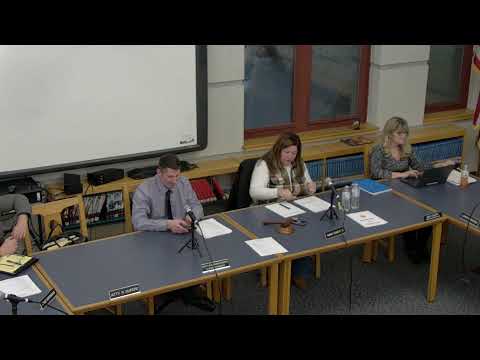
At its Feb. 12 meeting the Athol‑Royalston School Committee heard that a final medical insurance increase of about 19.92% is driving budget pressure even as the district secured a $325,000 intensive assistance grant for Aces; administrators plan further reductions and a joint town presentation after February break.
The Athol‑Royalston Regional School District presented a sobering mid‑winter budget update on Feb. 12, telling the school committee that a nearly 20% increase in medical insurance rates and rising foster‑care and transportation costs are straining the FY26 forecast even as the district won a $325,000 three‑year intensive assistance grant for its Aces program.
District staff reported that the final medical insurance increase is approximately 19.92% and retirees’ dental premiums rose about 10.4%. The business office said it has begun discussions with the district’s insurance representative and the Group Insurance Commission to evaluate options, but calendar and notice deadlines make an immediate switch unlikely for the coming fiscal year.
Superintendent (presenting the financial overview) told the committee, “we received approval fin finally for the actual intensive assistance grant that is the $325,000 that we're getting this year for Aces; we're going to have three years of that funding and that's going to be applied towards salaries to help address overages in in that area.” This grant was presented as a targeted relief for staff and program costs tied to the Aces program.
Administrators highlighted several cost pressures: foster care expenses increased and are approaching roughly $50,000 over budget after a $7,000 monthly rise; the SRO budget line was noted as approximately $20,000 over the planned amount; and districts in the region are seeing large increases in transportation costs, with staff citing examples of 12–33% spikes where limited vendor competition exists.
The superintendent summarized the district’s revenue outlook and state proposals, saying the governor’s draft budget included a 3.05% Chapter 70 increase (presented to the committee as roughly $756,000 for the district) and a 16.66% increase in regional school transportation (approximately $128,000). At the same time the district expects a large reduction in charter reimbursement funding (presented as a 55.8% decrease, approximately $68,222). Together these shifts alter the FY26 forecast but do not eliminate the shortfall staff described.
To close the remaining gap, administrators said they asked principals and department leaders to identify $300,000 in budget reductions; initial requests left about a $1.2 million shortfall, trimmed to $800,000 with further savings and then adjusted again as new numbers arrived. Staff said they will continue to pursue budget maneuvers (including grant realignments and rural aid shifts) and aim to present final figures to the towns in a joint meeting after February break.
On benefits, the district noted the timing constraints for re‑entering the Group Insurance Commission and said any move would require cost analyses and negotiations with unions and staff. The superintendent said the business office will continue to explore options and present a recommendation.
Next steps: staff will finalize forecasts, continue negotiations with insurers and vendors, and prepare a presentation for a joint town meeting to review FY26 numbers. No final votes on FY26 budget figures were recorded at the meeting.