Get Full Government Meeting Transcripts, Videos, & Alerts Forever!
Get email alerts on the School Improvement Plans topic
No spam. Unsubscribe anytime.
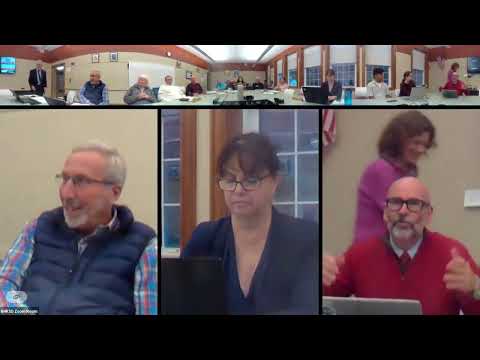
Berkshire Hills committee approves school improvement plans after questions about rollout and PowerSchool
Summary
The Berkshire Hills Regional School Committee voted unanimously March 31 to approve school improvement plans for its schools, after extended discussion about proficiency-based learning, teacher workload, and technical limits of PowerSchool. Committee approved plans subject to school-council review.
The Berkshire Hills Regional School Committee unanimously approved annual School Improvement Plans (SIPs) on March 31 after a lengthy superintendent report and questions from committee members about implementation details.
The committee voted to approve the SIPs after members raised concerns about communication with families, teacher workload implementing a proficiency-based approach, and whether the district’s student information system (PowerSchool) could display rubric-based reporting. Member Bill moved the motion; the committee recorded the vote as unanimous.
Why it matters: the SIPs set district and building priorities, including professional culture, proficiency-based learning, and shared performance indicators that will guide instruction and reporting. Committee members said they want clear expectations for how the pilot work will be measured and communicated to families and staff.
What the committee heard: district presenters described SIP goals to improve professional practice through frequent walkthroughs and targeted professional development, formalize proficiency-based learning structures, and produce clearer student-facing performance indicators. Presenters said the plans are aligned to state law requiring annual school improvement work and that school councils will be consulted; the committee approved the plans while allowing for non-material changes based on council feedback.
Implementation concerns and follow-up: members pressed presenters for specifics about how proficiency-based reporting will appear to families, whether PowerSchool requires add-ons to present rubrics, and how teacher workload will be managed. Presenters said workarounds already exist in PowerSchool and that the district will provide professional development and building-level leadership to support teachers. Several members recommended multi-year pilots and regular progress reports back to the committee.
Next steps: the committee asked administrators to return with examples of old and new report cards, a timeline for pilot evaluation, and a plan for regular updates to the committee and school councils. The formal approval of the SIPs does not lock in any grade-wide changes that would require further committee action, presenters said.