Get Full Government Meeting Transcripts, Videos, & Alerts Forever!
Get email alerts on the Emergency Management topic
No spam. Unsubscribe anytime.
Saint Helena chiefs urge readiness as fire season begins, outline evacuation tools and free home evaluations
Summary
Fire and police leaders briefed the City Council on weed abatement, defensible‑space rules, evacuation notification systems (Zonehaven/JINS and Everbridge/Nixle), free site evaluations and new 'beacon boxes' for incoming strike teams, urging residents to prepare go‑bags and sign up for alerts.
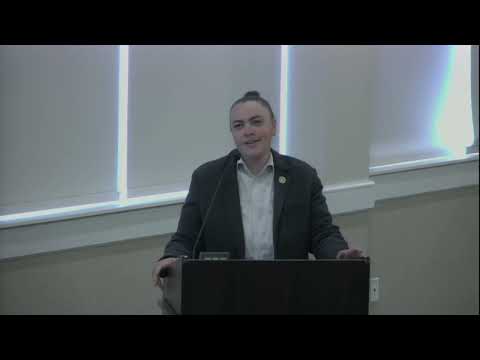
Chief Justin Sorenson told the City Council that the region has entered fire season and urged residents to prepare defensible space and evacuation plans. He walked the council through the city’s weed‑abatement notifications, the defensible‑space standard (grass cut to about 4 inches and vegetation trimmed 10 feet from eaves), and differences between neighborhood and wildland‑urban‑interface rules.
"Fire season is here," Chief Sorenson said, explaining the city’s outreach (door hangers, certified letters and public hearings for repeat noncompliance) and showing examples of backburn tactics used in past major incidents to illustrate how quickly fire can move. He emphasized that embers and gutter debris often lead to structure ignitions and encouraged homeowners to clear gutters and remove dead vegetation.
Lieutenant Tharp summarized how the city and county notify households during emergencies: Zonehaven (branded locally as JINS) for zone‑based warnings, Everbridge (formerly Nixle) for broader alerts, and door‑to‑door contact when neighborhoods require personal checks. "You don't have to wait for the police department to tell you to go," he said, encouraging residents to use common sense and evacuate when they feel unsafe.
The chiefs described practical services and tools available to residents: free site evaluations that issue a defensible‑space certificate (which can help with insurance), evacuation tags used to mark homes as cleared during an evacuation, multilingual go‑bag checklists available at the departments, and so‑called "beacon boxes" that store maps and local information for incoming mutual‑aid strike teams at planned park locations.
Council members and residents pressed staff on mapping and insurance questions. Councilmember Bareric asked why some homeowners received higher wildfire‑risk notices from insurers than the city’s map suggested; Chief Sorenson said there is a single state hazard map but different agencies and companies may interpret or apply it differently, noting some municipalities classify a parcel as high risk whenever the map touches the property boundary. Staff recommended residents check the official CalFire map available via the city's website and raise disputes directly with insurers if coverage classifications appear inconsistent.
City and county staff announced plans for community outreach: a town hall to drill evacuations for vulnerable facilities (Vineyard Valley), continued partnerships with nonprofits for preparedness drills, and targeted work on clearing hazardous fuel around high‑risk parcels. The chiefs encouraged residents to sign up for Everbridge and Zonehaven alerts and to pick up go‑bag materials at the fire or police stations.
The council took no formal action on the briefing; chiefs and staff said further community engagement and exercises are planned in the coming months.