Get Full Government Meeting Transcripts, Videos, & Alerts Forever!
Get email alerts on the Cottonwood Canyon topic
No spam. Unsubscribe anytime.
Commission advances Cottonwood Canyon transit plan and approves SR‑190 gravel-pit interchange and mobility hub schedule
Summary
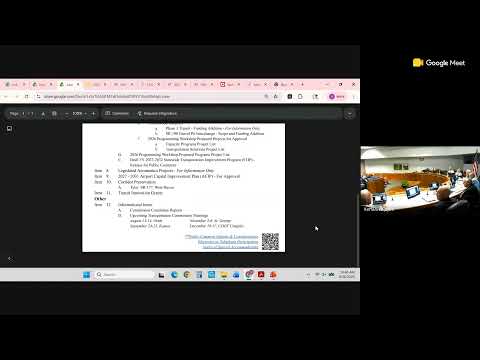
Commissioners approved adding the SR‑190 gravel-pit grade-separated interchange and mobility-hub scope to the STEP, endorsed the use of legislative and TIFF funds for Phase One transit, and staff said the mobility hub could be constructed and open by fall 2028.
The Transportation Commission moved forward on the Cottonwood Canyon Phase One transit program during its Layton meeting, approving the SR‑190 gravel-pit grade-separated interchange (added to the STEP) and describing plans for an adjacent mobility hub to support enhanced bus service to Big and Little Cottonwood Canyons.
Staff noted the 2026 Legislature allocated $150 million for the Cottonwood Canyon Phase One transit project and that an additional $13 million in TIFF funding is earmarked for corridor preservation and land acquisition. The SR‑190 gravel-pit interchange concept includes a bus lane, bus bridge and a pedestrian path to connect a mobility hub directly to SR‑190, allowing buses to bypass congestion at the canyon mouth. UDOT staff described a mobility-hub footprint of roughly 5–7 acres and said planning projections estimate about 1,750 parking spaces needed by 2050.
Josh Vanger (Trails & Transit) told the commission that the mobility hub and interchange work is advancing quickly and that the team aims to have the mobility hub and interchange constructed and operational by fall 2028. Commissioners pressed staff about parking capacity and alternatives; staff said other potential hub sites were studied and that the 1,750 figure reflects the 2050 planning horizon while acknowledging the actual ridership and parking demand depend on service performance and development.
The commission’s action adds the project to the STEP so it can move into design and right-of-way activities consistent with the funding plan; construction and final capacity will depend on future procurement outcomes and any additional funding needed to complete construction.