Get Full Government Meeting Transcripts, Videos, & Alerts Forever!
Get email alerts on the Master Planning topic
No spam. Unsubscribe anytime.
Stratford mayor and developers outline vision to revive 77‑acre waterfront brownfield
Summary
Mayor David Chest and Point Stratford Renewal presented a master‑planning vision to convert 77 acres of long‑idle waterfront brownfield into a resilient, mixed‑use destination. The developer reported demolition and remediation progress, introduced the master‑planning team, and invited resident input and further engagement through summer breakouts and an online survey.
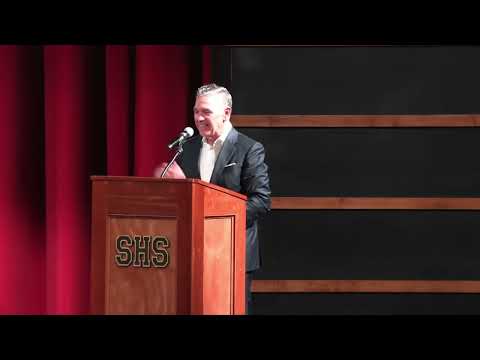
Mayor David Chest told a packed community meeting that Stratford is at a “turning point” as he and the Point Stratford Renewal team outlined plans to redevelop about 77 acres of waterfront property that has been out of public use for decades.
“I believe that today is that moment for Stratford,” Chest said, framing the effort as a long‑term transformation that would open the waterfront to parks, housing, retail, arts and conferences while emphasizing coastal resilience.
The presentation, led by developers and their consultants, offered progress updates on cleanup work and details about the master‑planning process. Jim (a Point Stratford Renewal partner) said the team closed on the property in April 2024 and has already begun demolition and remediation work: “we're about 55% done with the demo remediation and abatement, and about 50% done on... bringing the property up for coastal resilience.” He also told the audience the Title Flat remediation project—contracted to NTech and funded “100% by the federal government”—is essentially complete: “I'd like to report we're 99% done.”
Peter Cabrera, with Point Stratford Renewal, described the team’s procurement process. After an RFP and interviews with leading master‑planning firms, the developers selected a co‑design team in March. Dev Holly, introduced to the audience as the project architect, said the team intentionally paired architecture and landscape architecture to balance building design with open space and community scale.
The consultant roster presented to residents included Cooper Robertson Corrigan as the lead design firm; Field Operations for open‑space and landscape design; Langan as civil engineer; Moffatt & Nichol for coastal and resilience engineering; and HR&A as economic advisers. Cooper Robertson Corrigan’s lead, Mike Aziz, told attendees the master plan is intended as a framework rather than a final design and emphasized community input: “we're designing with communities, not just for them.”
Speakers tied the project to local planning tools. Aziz noted the plan will be developed under existing zoning and called out the municipality’s waterfront redevelopment overlay and the town’s Plan of Conservation and Development as guiding documents for the master plan.
Organizers described public engagement next steps. Developers said a survey has already gathered resident feedback (Jim estimated about 630 responses, while the mayor noted “well over 500 respondents”), and invited residents to four smaller district meetings, staffed topic tables in the lobby, and a series of breakouts after the presentation. The team said it will use summer engagement and scenario testing to draft the master plan, then begin entitlement work “toward the end of the year into 2027.”
The presentation repeatedly framed remediation and resilience as prerequisites for future development and urged continued community participation. The session closed with an invitation to review boards and speak with team members at topic stations on land use, history and culture, waterfront and open space, and demolition/remediation.
What happens next: the team will continue community outreach through summer breakouts and online engagement, draft scenarios for a master plan with the selected consultants, and move toward entitlements later this year and into 2027.