Get Full Government Meeting Transcripts, Videos, & Alerts Forever!
Get email alerts on the Rtp Outreach topic
No spam. Unsubscribe anytime.
Kern COG says outreach for 2026 RTP reached 10,500 residents; fixing local streets ranked top priority
Summary
Staff told the Kern Council of Governments on June 18 that outreach for the 2026 Regional Transportation Plan reached more than 10,500 residents through surveys, fairs and community workshops; interactive exercises showed 'fix local streets and roads' was the single highest investment priority.
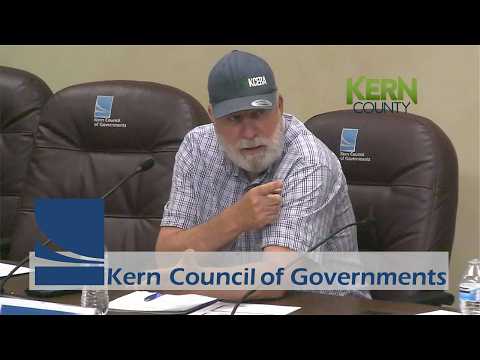
At a June 18 workshop, staff presenting on the 2026 Regional Transportation Plan (RTP) outreach said the agency collected input from more than 10,500 residents via statistical surveys, five online surveys, fair booths, festivals and partner‑hosted workshops. "For the 2026 RTP outreach began in fall of 2022 and continued through spring of 2026 and we collected input from over 10,500 residents," presenter Ben said during his overview.
Why it matters: the outreach summary will inform programming and project priorities in the RTP and related grant applications. Staff said the most consistent priority across engagement activities was maintaining and fixing existing local streets and roads, while preferences for public transit and concentrating growth near transit varied by venue and participant makeup.
What staff reported: Ben summarized mode‑share changes between the last RTP cycle and this one: drive‑alone commuting increased, carpool/vanpool ticked up, and telecommuting declined. He also reviewed housing‑preference survey results and noted a slight but statistically significant increase in preference for small‑lot single‑family housing compared with the previous cycle. At county fairs and community events (more than 2,800 fair participants across multiple years), the agency ran interactive “chip” exercises that asked attendees to allocate hypothetical transportation dollars; participants prioritized fixing local streets and roads by a large margin, followed by bicycle and sidewalk investments.
Consultants and staff also summarized results of the RTP sustainable community strategy (SCS) scenario polling. Attendees were shown three scenarios (current trends; moderate shift to non‑highway investments with downtown revitalization; accelerated shift toward non‑highway investments). When averaged across engagement activities, responses aligned most closely with the middle option, a moderate shift toward non‑highway investments while maintaining overall funding levels.
Partnerships and outreach approach: staff highlighted a mini‑grant workshop program that funded local community‑based organizations to host detailed RTP discussions; partners included Bike Bakersfield and local community centers. Staff said that approach expanded reach and enabled deeper conversations on investment tradeoffs and growth principles.
Next steps and comment period: staff noted the RTP public comment period is open and comments are due July 2, 2026. The agency also plans to publish a summary of outreach results in Appendix C of the 2026 RTP and to use the active transportation plan update grant to refine bicycle and pedestrian project needs identified through the cargo and RTP engagements.
What was not decided: the presentation summarized outreach outcomes and recommended priorities; staff sought public comment and will return to the board for adoption of the full RTP package later in the process.