Get Full Government Meeting Transcripts, Videos, & Alerts Forever!
Get email alerts on the Audit Finance topic
No spam. Unsubscribe anytime.
Crosby-Ironton auditors issue clean opinion; board approves audit, crisis policy and routine personnel items
Summary
Auditors delivered an unmodified opinion on the 2024–25 financial statements and reported one internal-control finding; the board approved the audit and a crisis-management policy, and the district reported a $270,000 increase in general fund balance despite a modest enrollment decline.
The Crosby-Ironton Public School District board voted to approve the 2024–25 audit report and financial statements and adopted a crisis management policy after auditors presented a draft report that carries an unmodified opinion.
Nancy, the auditor presenting remotely, told the board that “we're issuing an unmodified opinion again this year, which is the best that we as your auditors can offer,” and said the auditors did not note any Minnesota legal compliance exceptions. She disclosed one internal-control finding: “the lack of segregation of accounting duties,” which she described as common for districts of this size with small finance offices.
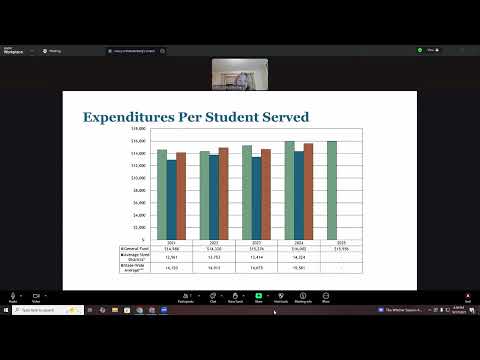
The audit presentation outlined district budget and enrollment trends that informed the board’s vote. Nancy said the district outperformed its budget in 2025 and recorded an approximate $270,000 increase in general fund balance for the year, leaving a total fund balance of about $7.3 million. She noted unassigned and non-spendable funds available for next year at roughly $1.8 million (about 11% of expenditures).
The presentation also highlighted revenue shifts: state sources represent about 75% of district revenue and declined in 2025 in part because special education revenues were lower than projected.