Get Full Government Meeting Transcripts, Videos, & Alerts Forever!
Get email alerts on the Sober Housing topic
No spam. Unsubscribe anytime.
Lynn zoning board pauses decision on plan to convert Phillips Manor into 40‑bed sober home
Summary
Grace House LLC sought permission to convert the former Phillips Manor at 28 Lynwood Road into a 40‑bed sober home; after hours of testimony from the operator, supporters and dozens of neighbors raising parking, scale and school‑proximity concerns, the Lynn Zoning Board of Appeals continued the case to May 19 and demanded more documentation and neighborhood outreach.
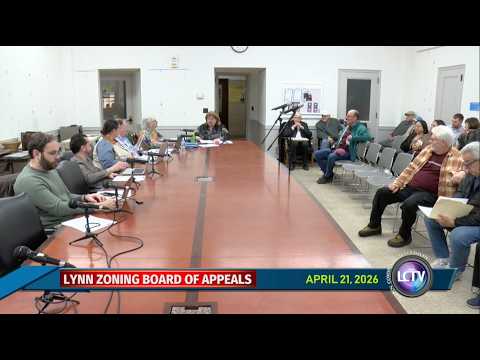
The Lynn Zoning Board of Appeals on Tuesday continued a decision on a proposal to convert the former Phillips Manor nursing home at 28 Lynwood Road into a 40‑bed sober residence, asking the applicant to meet with neighbors and supply documentation on parking, certification and licensing before the board reconvenes.
Grace House LLC, represented by attorney Stephanie Kefir, asked the board for a change of the property’s pre‑existing nonconforming use and, in the alternative, reasonable accommodation under federal and state law. The applicant said the building, which previously operated as Phillips Manor and had been licensed for up to 29 residents, has been renovated — including new windows, roofing, a fire alarm and added stair egress — and that the operator plans to provide 10 on‑site parking spaces.
“I'm here to start the Grace House here in Lynn. I operate a 30‑bed sober home in Beverly,” the proposed operator, Taylor L., told the board, adding she is a certified operator with the Massachusetts Alliance for Sober Housing (MASH) and that members sign a membership agreement requiring recovery‑oriented meetings, chores and regular drug testing.
Neighbors and elected officials raised multiple concerns. An abutter, Steven Slavonus, said a historic 1895 easement runs across part of the property and questioned the applicant’s ability to rely on 10 on‑site spaces; several residents said the neighborhood’s narrow streets and proximity to Tracy Elementary School (roughly a half‑block away) make a 40‑bed facility too large for the location.
“I believe a 40‑bed facility will overburden the existing residential character of the neighborhood,” wrote Ward 6 councilor Frederick W. Hogan in a letter the board accepted into the record; the letter recommended reducing beds to align with the neighborhood zoning and character.
Applicant representatives said the operation intends to follow voluntary MASH standards, retain admission control, and require residents to provide proof of prescriptions and submit to random testing. The operator said many residents would be self‑pay or receive state funds attached to individuals rather than to the facility, and that screening and a house‑mentor system provide day‑to‑day oversight.
Board members and city staff questioned staffing and oversight details — including how a single on‑site mentor and an assistant would provide 24/7 coverage, how medications would be secured, and whether state funding streams could change admission requirements. The file shows the applicant proposes 10 parking spaces and cited a zoning metric of 0.25 spaces per bed to justify that count for 40 beds.
After hearing roughly equal periods of pro‑ and anti‑applicant public comment, the board agreed the most significant unresolved issues were the number of beds, the parking/access easement, and documentation of the operator’s certification and program standards. The board voted to continue the hearing to May 19 and imposed three stipulations: the applicant must hold a neighborhood meeting and provide the board a summary of that meeting; meet with city staff (Mr. Pool) to reconcile the parking plan and any easement claims; and submit documentation of MASH certification, the membership agreement, and any licensing or program materials the board should rely on.
Shortly before the Lynwood discussion the board had accepted the withdrawal without prejudice of a separate petition for 79 Johnson Street after the building department issued a permit, and members handled a procedural recusal question on Case 206 Ocean Street.
The Zoning Board’s continuation leaves the Lynwood application open; the board did not make a final determination on the change of use or any requested accommodation. The hearing is scheduled to resume on May 19 with the materials and neighborhood outreach requested by the board.