Get Full Government Meeting Transcripts, Videos, & Alerts Forever!
Get email alerts on the Zoning And Landscape topic
No spam. Unsubscribe anytime.
Planners propose rework of R3 multifamily rules and debate stricter landscape standards
Summary
Staff proposed splitting the R3 multifamily zone into multiple RM categories (RM5, RM10, RM12, RM24), moving density standards into ordinance language and adding more detailed multifamily design standards; the commission debated a draft landscape ordinance, opposing a broad fee-in-lieu for multifamily open space and questioning a requirement that single-family front yards reach 50% live-plant cover at maturity.
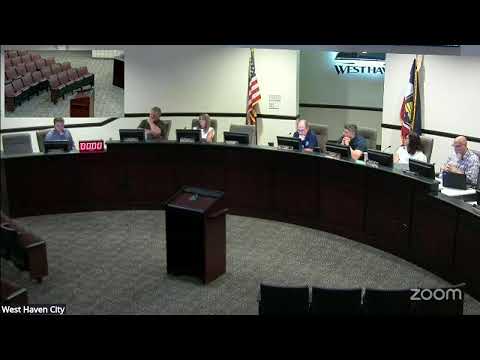
Planning staff presented draft amendments to the city's R3/multifamily standards and a detailed draft landscape ordinance for commission input; commissioners provided policy direction but did not adopt changes at the meeting.
On the R3 rewrite, staff proposed breaking the existing R3 designation into multiple "RM" density categories (examples cited were RM5, RM10, RM12 and RM24) so density would be codified in the zoning code rather than embedded on the general-plan map. Staff said this change would make the R3 tool clearer and more usable and avoid a practice where the general-plan map effectively dictated zoning density. The staff presenter (Stephen) said the city has used mixed-use zones in the past for multifamily projects and that the proposed change would give the city clearer, code-based density designations to match planned densities on the general plan.
Commissioners asked how the RM split would function in practice, whether RM5/RM8 should be limited to townhomes and how ownership structures (condominiums vs. rentals) should be defined. Staff recommended limiting lower-density RM categories to townhouse-style products and reserving higher-density categories for apartment-style development; commissioners asked that staff clarify definitions and whether master development agreements would still be necessary.
On the landscape ordinance, staff presented a detailed draft that covers single-family, multifamily and commercial landscaping standards, enforcement timelines, and a fee-in-lieu option for required landscaped open space. A number of commissioners strongly objected to a broadly worded fee-in-lieu provision that would allow multifamily projects to pay a fee instead of providing on-site landscaped open space, calling the provision vague and inappropriate for residential projects. One commissioner said the city should not let multifamily projects "opt out" of on-site park or amenity requirements by paying a fee.
Commissioners also questioned a proposed single-family standard requiring 50% live plant cover at maturity for street-facing yards, worrying the rule would be overly prescriptive and amount to city regulation of private yards. Several members advocated for a landscape guide and incentives tied to water-district programs rather than heavy-handed prescriptions; staff recommended developing a local "landscape guide" (for example, the Jordan Valley Water District "localscapes" approach) to give property owners design options and to refine technical standards.
Why it matters: changes to multifamily density and landscape rules will shape what housing forms are permitted, how developments are reviewed, and whether future multifamily projects provide on-site amenity areas and tree/shade coverage. Commissioners signaled they want clearer code language on density and more precise, enforceable landscape standards — but with limits on regulatory intrusion into private single-family yards.
Next steps: staff will refine the RM zone proposals, definitions and the landscape ordinance language (including clarifying any fee-in-lieu thresholds or distances for park adequacy). Those revised drafts will return to the commission for additional public review and a formal public hearing process before codified changes are adopted.