Get Full Government Meeting Transcripts, Videos, & Alerts Forever!
Get email alerts on the Parks Recreation topic
No spam. Unsubscribe anytime.
Planning commission backs making Arbor Glenn park a public township park
Summary
After developer revisions and consultant input on trails, courts and surfacing, the Planning Commission voted to recommend that the board of supervisors accept the Arbor Glenn recreation area as a public park; commissioners emphasized trail routing, wetlands avoidance and maintenance funding as conditions for recommendation.
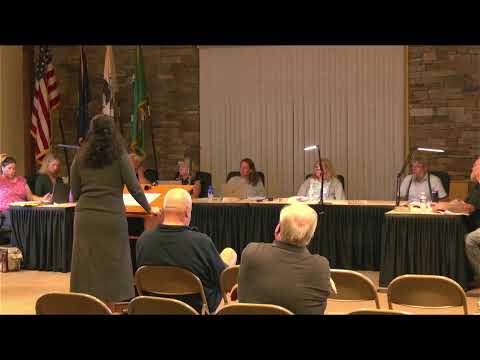
The Honey Brook Planning Commission recommended that the Board of Supervisors accept the Arbor Glenn open‑space area as a public park after reviewing a revised recreation plan from the developer.
Nate Fox, representing the developer, described a revised park layout that includes a walking trail linking parking to sports fields, six pickleball courts and one tennis court, age‑appropriate playgrounds with ADA swings, and pedestrian connections toward the Speedway. YSM, the township’s recreation consultant, urged engineered safety surfacing, underdrains for playgrounds, careful placement of the pavilion and co‑location of teenage courts to reduce conflicts with vehicular traffic and wetlands.
Commission discussion centered on whether the park should be publicly owned and maintained or remain private under the developer’s HOA. Those favoring a public park cited township recreation goals and the comprehensive greenway plan, saying public ownership would allow the township to set security and maintenance standards. Opponents said the township currently lacks funding to maintain existing parks and that private ownership would limit liability and reduce township maintenance costs.
After discussion, a motion that the Planning Commission “support this and encourage the board to accept this as a public park” passed in a roll‑call vote. Staff emphasized that the decision is a recommendation to the Board of Supervisors and is not binding; the supervisors will make the ultimate choice on acceptance and any dedication terms.
Commissioners also offered detailed direction for the developer to address before preliminary plan submission: avoid wetland impacts in trail routing, coordinate with Enbridge on pipeline easements, reduce the size or reorient a multi‑purpose field to increase buffer from SR‑322, consider vegetative screening and fence heights to limit balls entering the roadway, refine parking counts and provide sustainable trail surfacing (not wood chips) with ADA access where required.
The developer agreed to incorporate the commission’s feedback and resubmit updated drawings for further review before scheduling a final preliminary‑plan hearing. The commission’s recommendation will move with other materials to the Board of Supervisors for consideration.