Get Full Government Meeting Transcripts, Videos, & Alerts Forever!
Get email alerts on the Public Safety Firearms topic
No spam. Unsubscribe anytime.
Powhatan supervisors direct staff to hold public input on limiting shooting in dense areas after neighborhood complaints
Summary
After sustained public complaints about gunfire in residential subdivisions, the board voted 4–1 to direct county staff to organize public listening sessions (to be completed by end of August) to gather community feedback on a draft ordinance limiting firearm discharges in densely populated areas.
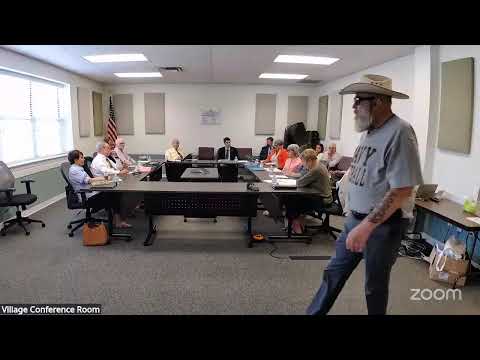
The Powhatan County Board of Supervisors voted 4–1 on June 22 to direct the county administrator and staff to organize public input sessions about whether and how the county should limit the discharge of firearms in densely populated areas.
Chairman Dennady framed the approach as a deliberate one: "I just thought we should slow down to speed up," he said, arguing that a series of listening sessions would give the community opportunities to weigh in before staff drafted detailed ordinance language for public advertisement.
Planning staff had presented state law context and legal constraints: Virginia law allows a locality to prohibit outdoor shooting in areas that are "densely populated," but equal‑protection considerations require an ordinance to be generally applicable so similarly situated residents are treated alike. Staff showed examples from other Virginia localities and cautioned the board about legal design choices.
The board debated two approaches: immediately scheduling a public hearing on a drafted ordinance, or holding multiple listening sessions and then returning with a refined proposal. Vice Chair Kenny voted against the motion and voiced concerns about delaying a formal ordinance process for residents who say they are experiencing daily safety and noise impacts; he urged prompt action so affected neighbors would not wait months.
The motion that carried directed staff to complete the advertised listening sessions and to use a draft ordinance in the advertisement; the board specified a completion target of the end of August for the listening series. A roll call published during the meeting recorded the vote 4–1.
Next steps: staff will advertise and hold the listening sessions, summarize input, and return to the board with recommended ordinance language and an implementation timeline. The meeting record shows the board has not yet adopted any ordinance language or enforcement approach; the sessions are intended to inform next steps.