Get Full Government Meeting Transcripts, Videos, & Alerts Forever!
Get email alerts on the Social Policy topic
No spam. Unsubscribe anytime.
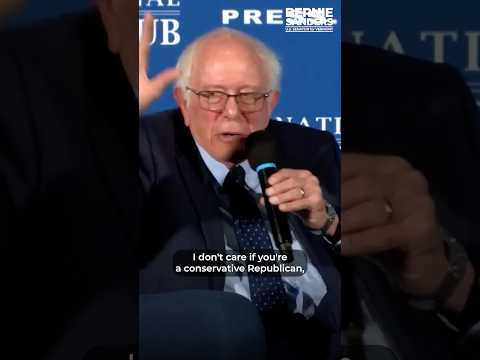
Presenter says U.S. social systems "broken," cites high drug prices, college debt and child-care gaps
Summary
A speaker labeled "Presenter" criticized the U.S. social safety net as "broken," pointing to high per-person health spending with poorer outcomes, world-leading prescription drug prices, burdensome college debt and an underpaid child-care workforce.
Presenter criticized U.S. social policy in a sustained address, saying "the system is broken" and questioning why other countries can provide universal health care while the United States spends more per person with worse outcomes. "How come every other country on Earth can guarantee health care to all people spending half as much per person as we do?" the Presenter asked.
The remarks singled out prescription drug pricing and higher education costs as separate problems. "How come we pay the highest prices in the world for prescription drugs? How come our kids in America have to go deeply in debt to get a college education?" the Presenter said, linking drug prices and student borrowing to broader concerns about affordability.
Early childhood and child-care policy drew particular emphasis. The Presenter said that because ages "0 to 4" are critical for development, the current child-care system is "completely broken," adding that "We don't pay the workers enough. It's very expensive." The comment framed child-care challenges as both a workforce-pay issue and a barrier to access.
Throughout the remarks, the Presenter contrasted U.S. policy choices with those of other countries and framed the problems as the result of policy that benefits a narrow group. "In the wealthiest country in the world, we cannot just have an economy and a government that works for the 1%. They want an economy and government that works for all of us, not just a few," the Presenter stated.
The transcript includes no specific legislation, vote, formal motion or detailed policy proposal. The remarks read as a broad critique highlighting priorities — health-care affordability, prescription drug pricing, college costs and child-care workforce pay — without procedural action recorded in the provided transcript.