Get Full Government Meeting Transcripts, Videos, & Alerts Forever!
Get email alerts on the Water Infrastructure topic
No spam. Unsubscribe anytime.
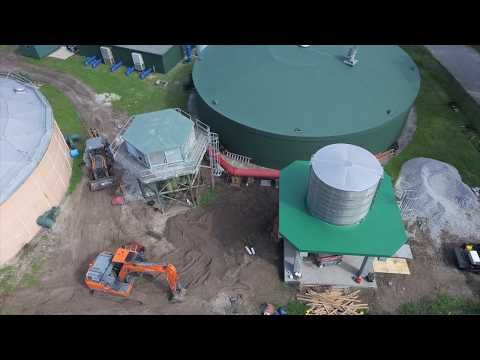
St. Johns County Utilities replaces aging aerator and support structure at Plantation Water Treatment Plant
Summary
St. Johns County Utilities says it replaced an aging aerator and its metal support structure at the Plantation Water Treatment Plant in Pontavier Beach, installing a reinforced concrete support and an aluminum aerator designed to resist corrosion and withstand hurricane-force winds; the plant remained online during construction.
St. Johns County Utilities completed a project to replace the aging aerator and its metal support structure at the Plantation Water Treatment Plant in Pontavier Beach, the utility said. The utility said the work was intended to improve drinking water aesthetics and to strengthen the plant against storm damage.
The utility said the existing metal structure—purchased about 20 years ago and more than 40 years old—was corroded by hydrogen sulfide and salt exposure and, after a 2024 inspection, was found to be beyond rehabilitation. "It was determined that replacing both the structure and aerator was the best long-term solution," the statement said.
The upgrade replaced the metal support with a reinforced concrete structure designed to support the aerator during hurricane-force winds and installed a new aluminum aerator that is resistant to hydrogen sulfide corrosion. According to the utility, the changes reduce the need for ongoing blasting and repainting the previous metal structure and are intended to lower future maintenance requirements while improving reliability of the water treatment process.
St. Johns County Utilities said the Plantation Water Treatment Plant remained operational through construction. The utility installed the new structure, piping and valves while the existing aerator continued to operate; several short-term outages were required but the plant continued to provide water to customers throughout the project.
The statement credited plant operators, pipeline personnel, the engineering firm and the contractor for completing the work. The utility did not specify project cost or funding sources.
The utility described hydrogen sulfide as creating an unpleasant "rotten egg" odor but stated that the gas "does not pose a health concern" and that removing it improves the aesthetic quality of drinking water for customers. The utility did not announce any further operational changes or follow-up actions.