Get Full Government Meeting Transcripts, Videos, & Alerts Forever!
Get email alerts on the Building Codes topic
No spam. Unsubscribe anytime.
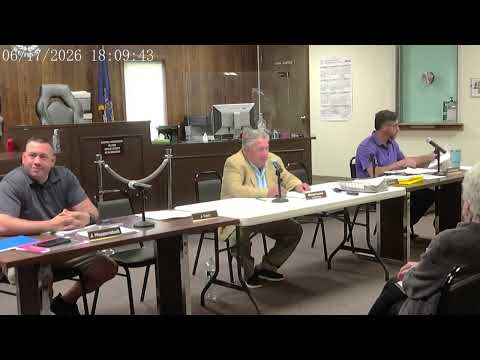
Plattekill hearing spotlights confusion over proposed 2025 building and fire code updates
Summary
Residents and the towns building official sparred at a June public hearing over a lawyer-redlined draft that adopts New York States 2025 model codes; concerns focused on new "assembly area" permit triggers, inconsistent definitions, remote inspections and omitted language on sprinklers and compliance statements.
A June public hearing in the Town of Plattekill drew extensive public questions about a proposed amendment to Local Law No. 1 to align the towns building and fire codes with New York States 2025 model codes.
Residents repeatedly told the board the draft was not available for review until the day of the meeting and asked who had prepared the lawyer-redlined version. Bill, the towns building official, said the lawyer re-drafted the text the building department submitted and that the changes aim to bring the town into compliance with the 2025 state codes.
Speakers raised a series of substantive concerns. One resident asked whether the drafts broad "assembly area" definition (gatherings of 50 or more) would require operating permits for school auditoriums or private events; Bill said school assemblies are handled through the State Education Department and that churches typically undergo fire-safety inspections and receive operating permits (fees for volunteer fire departments are sometimes waived). Another attendee asked whether a backyard wedding of 50 people would trigger a permit; the building official said the definition applies to spaces "primarily used or intended" as assembly areas.
Several speakers urged the town to be clearer about definitions. The draft adds a consolidated definition that groups the "uniform code" and "energy code" into a single "code" term, while the towns existing local law contains separate definitions dating to 2007; critics said the new wording risks redundancy and confusion. Bill said the model law language is statutory in origin and recommended the board and counsel reconcile older local definitions with the proposed text.
The hazardous-materials language also drew questions. The draft includes a definition tied to semiconductor research or production; a resident asked whether that narrow language makes sense absent any current semiconductor proposals in town and suggested a broader hazardous-materials definition might be more suitable.
Members of the public pressed the board on operational details the draft leaves open. The proposal permits remote inspections in some cases; residents asked which inspections can be done remotely, what technology would be allowed (photos, video, drones), how remote evidence would be authenticated, and how long images or recordings would be retained. A resident cited an example from Newburgh in which five photos and a confirmation email were required for remote roof inspections and urged Plattekill to add similar procedural safeguards.
Other detailed questions included inconsistent exemptions for accessory structures under 144 square feet (some sections limit that exemption to single- or two-family dwellings while others do not), the scope of what constitutes "repairs" that trigger permits (when replacing doors or windows requires a permit), and why a previous requirement to note automatic sprinkler systems on certificates of occupancy was omitted from the redlined text. Bill said he did not know why some language was removed and recommended the board consult counsel to determine whether omissions were inadvertent.
Throughout the hearing, residents urged the town to provide the public and the boards lawyer time to reconcile the model language with the towns existing code. The board did not adopt the amendments at the meeting; members and attendees proposed continuing the hearing, accepting written comments for two weeks, and holding a follow-up public hearing in about a month so that counsel and the building department can address the outstanding issues.
Next steps: the board directed staff to collect written comments and consult the town attorney to produce a clarified draft for the next hearing.