Get Full Government Meeting Transcripts, Videos, & Alerts Forever!
Get email alerts on the School Finance topic
No spam. Unsubscribe anytime.
Portland board recommends transfers to maintenance and school-lunch funds to cover shortfalls
Summary
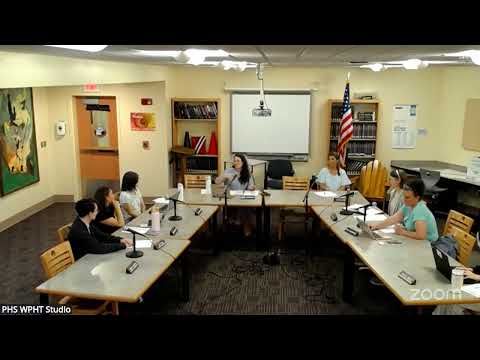
The Portland Board of Education voted unanimously to recommend transfers of up to $100,000 to the maintenance fund and up to $35,000 to the school lunch fund to cover projected deficits and bad-debt exposure; final transfers will be confirmed in the district’s fourth-quarter report.
At its regular meeting, the Portland Board of Education voted unanimously to recommend a transfer of up to $100,000 into fund 11 (maintenance) and up to $35,000 into fund 05 (school lunch) from available fiscal-year 2025–26 appropriations.
Board members said the maintenance transfer is a routine mechanism to ensure funding is available for large capital or facility expenses that cannot be covered by the district’s operating account. The school-lunch transfer was framed as a stopgap to cover bad debt and a projected program shortfall tied to lower meal participation since the pandemic and contractual guarantees in the district’s five-year food-service contract.
Stephanie, who presented the authorized spending report, said the district has seen higher fuel costs and is entering the final months of the fiscal year with a small surplus, but that lunch reimbursements do not fully cover costs. She told the board the district is currently receiving about 72% of the anticipated reimbursement for tuition/private placements and related costs, which affects overall fund balances.
Board member Sarah moved the maintenance-fund recommendation; Aaron seconded. The board then moved and approved the school-lunch fund recommendation. Both voice votes were recorded as passing unanimously; the transcript does not include a roll-call tally.
Board members asked staff to report back in the district’s fourth-quarter report with the actual transfers made and an updated fund balance. Stephanie said she will provide final figures at the next meeting and noted that if funds are not transferred, the board can consider alternatives such as returning surplus to the town or additional adjustments.
The board also asked staff to pursue options to boost lunch participation (including an advisory committee and outreach on free/reduced application access) and to run state eligibility calculations to determine whether universal free meals would be feasible under current thresholds.
Next steps: staff will include any completed transfers in the fourth-quarter financial report and will return with updated balances and, if appropriate, a final recommendation for implementation.