Get Full Government Meeting Transcripts, Videos, & Alerts Forever!
Get email alerts on the Budget Calendar topic
No spam. Unsubscribe anytime.
District, towns map budget calendar as benefits and debt shape next year’s spending
Summary
Regional School District 13 officials reviewed the annual, zerobased budget calendar and deadlines, warned of rising employee health‑care costs and use of fund balance, and urged closer town–district coordination on debt forecasting and a multi‑year operating plan ahead of spring referendum deadlines.
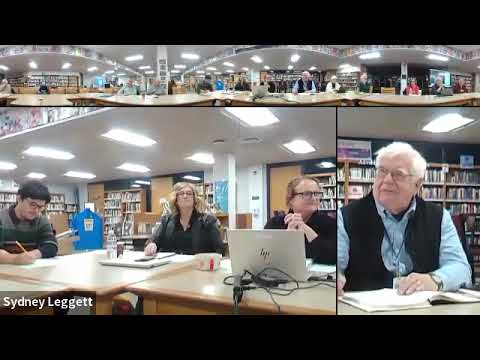
Regional School District 13 and town officials met on Dec. 10 to walk through the districts budget calendar, outline next steps for public hearings and the May referendum, and discuss fiscal pressures including rising employee benefits and recent borrowing tied to town capital projects.
The districts finance presenter summarized the schedule: the budget process begins in October, schools populate electronic budget requests and proposals under a zero‑based budget approach, town allocations are calculated using a five‑year rolling average, and the board will present the budget Feb. 25 ahead of work sessions in March. The public hearing is set for April 1, a district meeting for May 4 and the referendum for May 5. The presenter said state statute requires specific information be included in the voter mailer the district prepares and mails in late April.
Why it matters: board members and selectmen framed the calendar against immediate fiscal headwinds. Officials said employee health benefits could rise substantially and that the district and towns have in past years dipped into undesignated fund balances. One town official noted a reported 14% increase in health insurance costs on early estimates and urged coordination during upcoming contract negotiations.
District finance staff described routine budget mechanics and controls: "we're a zerobased budget," the presenter said, explaining that each request must be justified rather than automatically rolled forward. Town officials pressed for multi‑year operating projections and a formal debt policy to dovetail with the towns recent borrowing for a new firehouse, saying those documents would support long‑term ratings and tax‑impact analyses.
Board members and town finance chairs raised the recurring problem of unfunded mandates—one participant referenced a tally of "47 unfunded mandates" in special education—and urged early notice so towns can coordinate with legislators. A Middlefield board of finance official who spoke during public comment asked the school board to align staffing and costs to trends in enrollment to improve the likelihood that local finance boards will support the budget at referendum.
Next steps: the district will continue administrative reviews in December and January, hold budget work sessions in March, and present the draft budget to the board Feb. 25. Town and district officials agreed to share projections and to pursue a multi‑year planning process and a debt policy for better coordination ahead of final financing decisions.