Get Full Government Meeting Transcripts, Videos, & Alerts Forever!
Get email alerts on the Cannabis Policy topic
No spam. Unsubscribe anytime.
Select Board votes to add cannabis-prohibition question to May ballot and reopens warrant
Summary
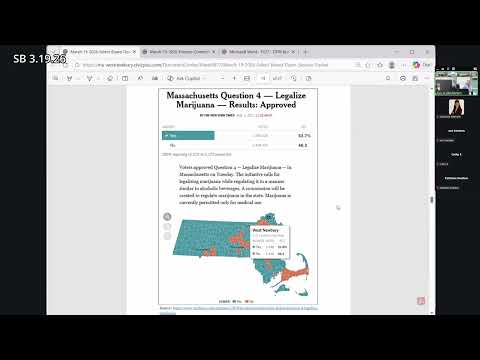
West Newbury Select Board voted to reopen the town warrant and place a ballot question asking voters whether to prohibit retail, processing and cultivation uses of recreational cannabis; the move requires both a town-meeting vote and a ballot approval because the town previously voted for statewide legalization.
The West Newbury Select Board voted to reopen the town warrant and add a ballot question asking voters whether to prohibit recreational cannabis retail, processing and cultivation uses in town.
Manager Angus told the board that because West Newbury previously voted in favor of statewide marijuana legalization, a local prohibition would require two steps: approval by town meeting and a separate ballot question. That procedural constraint, he said, means the board must both add an article to the warrant and place the question on the May ballot if it wants the prohibition to be effective.
Board members debated whether to break the issue into three separate questions (retail, processing and cultivation) so voters could treat each use independently, or to present a single, combined ban. Some members favored separate questions to let voters distinguish cultivation from retail sales; others said the distinction would likely confuse voters and favored a single, combined question. After discussion the board moved, seconded and approved adding an article to prohibit retail, processing and cultivation and reopening the warrant so the article can be included.
The board directed staff to include the zoning and bylaw language in the warrant materials and to prepare public-facing explanations ahead of both town meeting and the ballot. Manager Angus said the planning board has reviewed a bylaw that would set local zoning and setbacks; because the referendum mechanics and state rules have changed in recent months, staff recommended adopting local zoning language the town could use if voters approve the ballot question.
The vote to add the article and to reopen the warrant was taken orally and approved by the board; no recorded roll-call tally was included in the meeting record. The timing means the town must also hold a town-meeting vote on the article in addition to the May ballot vote for the prohibition to take effect.