Get Full Government Meeting Transcripts, Videos, & Alerts Forever!
Get email alerts on the Curriculum Atlas topic
No spam. Unsubscribe anytime.
Region 19 to publish scope-and-sequence July 1; board hears curriculum audit and AI literacy guidance
Summary
A district presenter told the board that Atlas stage-one materials (scope and sequence and objectives) will go live July 1, 2026, after a curriculum audit covering 243 courses, 1,651 units and 4,122 assessments; state AI-literacy guidance and Common Sense Media materials will inform local choices.
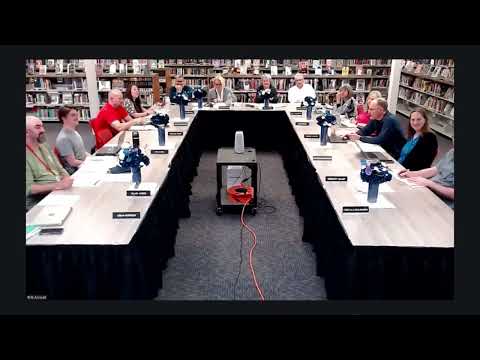
A district curriculum presenter told the Regional School District 19 board on Tuesday that the district will publish its stage-one curriculum — scope and sequence and objectives — on Atlas when the site goes live on July 1, 2026.
The presentation, delivered by Abby Larue, summarized a year-long curriculum audit that examined 243 courses, 1,651 units and 4,122 assessments and recommended improved alignment between standards and assessments. "We went through 243 courses, 1,651 units, and 4,122 assessments," Larue said, describing the audit as "tediously valuable." She said the district will make stage-one materials publicly available while keeping assessment instruments (stage two and three) internal.
Why it matters: State law requires districts to post curriculum scope-and-sequence publicly, and Larue said the work will help families and teachers see what students are expected to learn and when. The presentation also tackled how to incorporate AI literacy and digital citizenship in a way that supports traditional literacy rather than replaces it.
State guidance and pilots: Larue said the Connecticut Department of Education has been piloting AI-literacy materials in seven districts and the state will consolidate lessons from that work. "We should be getting some more guidance on what we learned from those seven pilot districts," she said, citing districts that participated and noting Westport’s particular work on an AI guide. The district also referenced the state's adoption of the Common Sense Media K–12 digital citizenship curriculum as an available, nonmandatory resource.
Audit findings and next steps: The audit found strong stage-one coverage and alignment to the district’s "vision of a graduate" and social-emotional standards, but flagged gaps in assessment posting and alignment. Larue and staff said some assessments still live in personal drives and must be migrated to stage two; they recommended ensuring assessments match the cognitive level of the standards. The district will continue refining stage-one and stage-two materials after the July go-live and intends to provide landing‑page links for staff and the public.
Implementation and supports: Larue described coaching support for teachers to translate curriculum into day-to-day instruction and highlighted examples of "powerful learning in action" she observed in forensics, CTE, language and science classes. The board discussed website placement and options for promoting highlights of classroom work without exposing secure assessment items.
What's next: The Atlas stage-one landing page will be available when the district goes live on July 1, 2026; staff said the page will evolve and that they will notify board members and staff when the site is ready.