Get Full Government Meeting Transcripts, Videos, & Alerts Forever!
Get email alerts on the School Climate topic
No spam. Unsubscribe anytime.
District planners outline rollout for Connecticut school-climate law, emphasize training and safeguards
Summary
Guest consultants and the district school climate coordinator gave an overview of Connecticut's school-climate law and a two-year implementation roadmap, stressing that restorative practices require substantial training and community engagement rather than a single module.
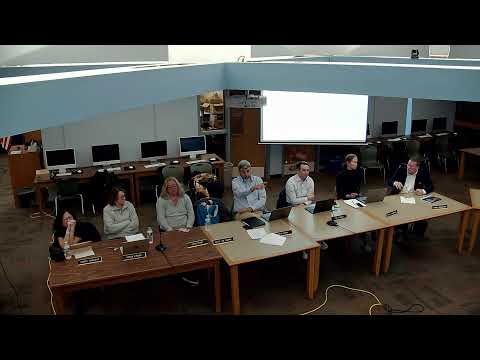
Joanne Fryberg, a retired educational consultant with the Connecticut State Department of Education, and Pat Sone, a retired superintendent, told the joint Easton, Reading and Regional School District 09 boards on Jan. 28 that recent Connecticut legislation requires districts to adopt a new school-climate policy by July 1, 2025, and to begin training and technical assistance as early as July 2024.
The presenters framed the law as shifting the emphasis from simply stamping out bullying to creating "physically, emotionally and intellectually safe and positive learning environments" and described five school-climate standards districts must address, including clear vision and policies, prioritized restorative practices, and infrastructure to sustain the work. "All learning is relational," Fryberg said during the presentation, arguing that relationships must be embedded into daily practice rather than added as an extra task.
The consultants cited district outcomes from elsewhere as evidence: schools that implemented restorative practices reported decreases in chronic absenteeism and suspensions, and some districts showed improved academic performance tied to relationship-focused practice. Fryberg and Sone stressed the importance of rigorous training and fidelity; Sone said a two-day annual training and optional five-day "train the trainer" sessions for administrators are parts of the district plan.
Alicia, the district school climate coordinator, told the boards the legal timeline is prescribed: the governor signed the law June 7, 2023, districts needed to begin certain training actions by July 2024, and district policy adoption must be complete by July 1, 2025. She said the district is awaiting the model policy from counsel Shipman & Goodwin and the state survey instrument, which the district plans to share with parents in advance and allow opt-outs.
Board members pressed presenters on consent and power dynamics in restorative conversations, asking how the district will protect students who do not want to participate. Fryberg answered that restorative justice (used for very high-level conflicts) and restorative practices (the day-to-day work) differ and that, in schools, "you never bring people together without their agreement." Presenters and board members agreed that community education and careful training are necessary to avoid harms from poorly implemented practice.
The presentation closed with a pledge to continue planning: the district will host workshops with legal counsel, incorporate training costs into next year's budgets using Title funds and additional allocations, and bring proposed policy language back through the policy committee once Shipman & Goodwin releases guidance.