Get Full Government Meeting Transcripts, Videos, & Alerts Forever!
Get email alerts on the Levy Bond topic
No spam. Unsubscribe anytime.
Strongsville treasurer warns of growing deficits; board weighs timing for levy and bond filings
Summary
Treasurer George told trustees the district faces rising multi-year deficits, possible state oversight by FY2029 unless revenues are increased or expenses cut, and outlined July filing deadlines for a bond consent resolution and late-July Board of Elections filings; trustees asked for additional scenarios before committing to ballot questions.
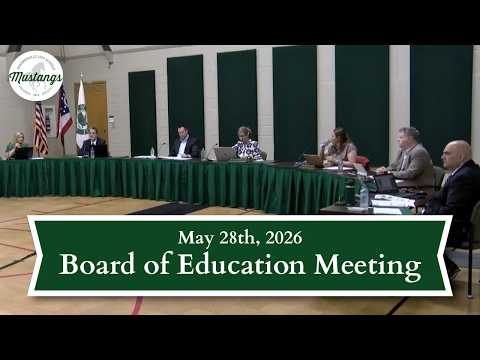
Treasurer George (Mr. Agnostu) told the Strongsville City Board of Education on May 28 that the district's five-year forecast shows widening deficits and a drop in cash days that, without corrective action, could trigger state fiscal review by fiscal year 2029.
"For this current fiscal year that we're in, our revenues our expenditures are going to be about $10 million more than our revenues," George said, summarizing the central fiscal risk the district faces.
Administration outlined the calendar and procedural steps that would be required to place a bond or property-tax levy on upcoming ballots. For a bond that preserves the project scope discussed earlier this spring, staff advised a 4% consent resolution (required by the tax commissioner to increase the district's ability to issue debt) be filed by about July 6; the board's resolution of necessity would be considered July 9 and the Board of Elections filing deadline is July 28. Staff emphasized the bond timeline is earlier than the operating-levy timeline.
George presented several scenarios to the board: renewing the current operating levy alone; a combined approach of renewal plus a new operating ask in November 2026; and later placements that require larger tax increases because of delayed collections. He showed examples where a November 2026 renewal plus a new operating levy would materially reduce projected deficits and preserve roughly 90'100 days of cash in the five-year window; conversely, failing to act would require very large reductions to programs and staff to avoid a statutory cash deficit.
Board members debated strategy and messaging. Some trustees favored returning to voters with the same bond ask that narrowly failed earlier in May; others worried the combination of operating and capital asks in the same election might be too heavy for the November ballot. Several trustees stressed the importance of clear voter messaging about how a new levy interacts with expiring levies so homeowners understand net changes in their tax burden.
Administration was asked to return with more precise modeling tying specific reduction scenarios (staffing and program cuts) to millage increases so trustees can compare packages that would secure a five-year sustainable cash position.
Ending: Trustees did not adopt a formal resolution on the levy or bond at the meeting. Staff will provide refined simulations and a proposed ballot/timing recommendation ahead of the June 11 and June 30 meetings, when time-sensitive filings could be authorized if the board chooses to proceed.