Get Full Government Meeting Transcripts, Videos, & Alerts Forever!
Get email alerts on the Downtown Redevelopment topic
No spam. Unsubscribe anytime.
Main Street leaders outline downtown housing goals, propose vacant-building registry
Summary
Main Street Atoma presented a three-year strategic plan and performance metrics to the Ottumwa City Council, highlighted progress on housing and business recruitment, and proposed a modest vacant-and-abandoned building registry and grant strategies to spur upper-story housing rehabilitation.
Main Street Atoma board president AJ Gbach and Executive Director Chris Patrick told the council they have added four of a targeted 15 new downtown apartments and attracted 19 of a 25-person residential target since the plan began, and said property values in the district rose about 13.4% — just shy of the 15% goal.
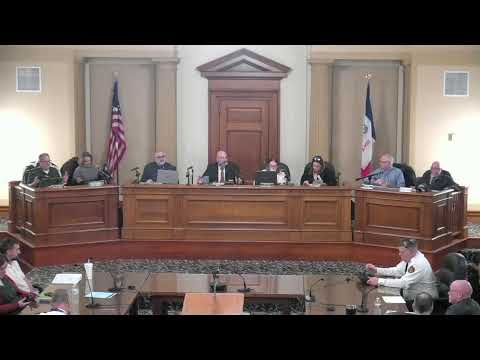
At a council meeting presentation the nonprofit described its 2023'26 strategic plan and three priority strategies: create downtown living opportunities, support business development and growth, and improve community awareness through marketing. Patrick and Gbach said the group has increased organizational sustainability and cited 3,367 volunteer hours in 2025 (valued at roughly $115,000 using Main Street Iowa metrics) as a major contributor to programming and grant competitiveness.
Main Street walked the council through the district'scale self-supported municipal improvement district (SMID) adopted in May 2024 and the proposed 2025 allocations: a large reserve (about 56%), economic development (about 25%), beautification (9%) and promotion (4%). Patrick noted the group spent roughly $12,000 in the early fiscal 2026 period, mostly on maintenance and contract labor, and that the organization purchased a scissor lift to reduce staff time on hanging baskets and banners.
A central policy suggestion from the presentation was a vacant-and-abandoned building registry. Patrick described two models used by peer Iowa cities: a downtown-only Mason City registry and a citywide Clinton model with higher fees. Main Street proposed a modest registration fee tied to a clear definition of abandonment (commonly a vacancy longer than six months with evidence of neglect) and said the registry would be paired with technical assistance rather than punitive pricing. The presenters emphasized blending registry requirements with grant programs or fee grants for property owners who cannot afford inspection or registration costs.
Council members asked about fire-inspection fees and whether grant programs or phased-fee schedules could offset costs for small property owners; presenters supported incremental fee approaches and suggested challenge or catalyst grants to leverage state assistance. Main Street also highlighted new state-level community development block grant (CDBG) options for upper-story housing (described at about $100,000 per unit for up to four units) and described efforts to combine those dollars with local challenge grants to cover renovation gaps.
The presentation concluded with questions on vacancy rates, "white-box" readiness of storefronts and the organization's market-snapshot work. Main Street said 283 buildings have been rehabilitated since 2006 and urged city collaboration on incentives and design guidance to capitalize on available grant programs and further rehabilitate upper-story residential units.