Get Full Government Meeting Transcripts, Videos, & Alerts Forever!
Get email alerts on the Infrastructure topic
No spam. Unsubscribe anytime.
Carroll County approves generator upgrade after contractor reports code-violating conduit under annex
Summary
Commissioners voted 2–1 to approve a generator replacement and related trenching after Gemini Electric reported wiring beneath the annex is buried in deteriorating sewer pipe and does not meet code; the upgrade ensures backup power for the jail and nursing home and will require additional site work and costs.
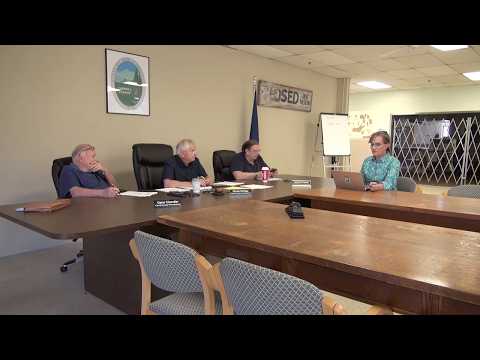
Carroll County commissioners voted on June 29 to approve an upgraded backup generator and associated trenching after a contractor told the board existing wiring to the annex was buried in sewer pipe and did not meet electrical code.
The county had earlier approved a $150,000 generator project; Gemini Electric’s Matt Connors told the commission that excavation uncovered crumbling conduit and electrical runs that must be replaced to meet code. “We trenched it all the way back to the annex … the pipe’s crumbling and … you can’t extend it — code violation,” Connors said during a briefing by Zoom. He offered alternatives for wiring materials and said using modern aluminum conductors could save roughly $30,000 while meeting longevity expectations.
The commissioners emphasized the generator’s role as essential infrastructure: it provides backup power for the sewage system that serves the jail and the county nursing home, and the annex also functions as an emergency operations/dispatch backup. Commissioners debated whether to invest in the annex structure itself — one commissioner said the annex “needs to be torn down” and questioned additional spending on that building — but approved the electrical work and generator move forward. The motion passed on a 2–1 vote.
The county’s administrator said the generator was already sourced locally and the contractor expects to have equipment in stock and to complete installation by the end of July. Connors said the project team planned to replace the failing pipe, install new conduit and run new wires from the existing distribution to a new junction/disconnect box outside the block portion of the building for the cleanest, most reliable connection.
Contract details: the project had originally been scoped at $150,000; additional site work uncovered during trenching requires extra work and will raise the total cost beyond the original figure. Commissioners flagged paving and site repaving work; Connors said the bid included $13,000 for repaving but recommended simply backfilling with gravel in one area to avoid a visible new strip of pavement across a deteriorating driveway, noting a future impound-lot project could address paving more broadly.
Why it matters: the generator provides life-safety and continuity for 24/7 facilities — the jail and the nursing home — meaning failure during an outage could pose operational and public-safety risks. Commissioners said they would monitor follow-up costs but favored completing the safety-critical electrical remediation now.
The county did not bid separate contractors for the trenching and generator installation; staff said they preferred one contractor for continuity because the same team is already involved in the project and would take responsibility if coordination issues arise. The contractor identified himself as the chair of the state electrical board and affirmed his team’s approach and standards.
Next steps: legal/administrative staff will finalize the change order and related contract documents; the contractor reported delivery timelines and anticipated finishing construction work in late July. The commission asked staff to return with any revised cost estimates and paving decisions before additional capital transfers are approved.