Get email alerts on the Public Comment Policy topic
No spam. Unsubscribe anytime.
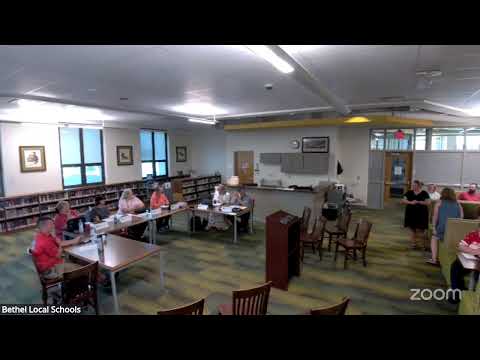
Board debates allowing public comment after meetings amid transparency concerns
Summary
A board member and a public commenter urged allowing brief public remarks after adjournment to give the community direct feedback on votes. Other members cautioned that meetings are "conducted in public, not for the public," urged advance questions by email and raised sunshine-law risks to multi-recipient communications.
A public commenter asked the board to allow people to speak after meetings so attendees can give direct feedback on votes and decisions.
Public commenter (S6) told the board: "I will always like to be able to speak like I am doing now... and also be able to speak before you adjourn." Committee member (S1) said the board should permit short, post-meeting remarks so "we all get the same message at the same time" and to improve transparency after votes.
Chair (S3) pushed back on changing the practice during the meeting, saying, "we are conducting our meeting in public. We're not conducting our meeting for the public," and noted the public already has avenues such as pre-meeting notices and email to raise concerns.
Discussion centered on process and practicalities rather than a formal policy vote. Members expressed differing views about whether allowing post-adjournment comments would meaningfully improve transparency or risk confusing the official record. One member cautioned that emailing all board members can create inadvertent violations of sunshine laws; another said contacting the superintendent or chair first helps avoid duplicative inquiries.
Supporters of the change argued it would add only a few minutes and help residents feel heard; opponents said issues are typically answered earlier through attached agenda materials or staff responses and recommended notifying the board in advance if a member intends to pull an item from the consent agenda.
No formal motion to change the public-comment schedule was made or voted on during the meeting. The conversation ended with members agreeing to continue relying on established channels while acknowledging members' differing preferences on openness and timing.
AI generated
The text on this page is AI generated. Summaries, highlights, analysis, and video transcripts are all produced from the original source material.
AI can make mistakes, so if you spot one, and we will fix it for everyone.
Note: the source content is unaltered by us. Any content source we link to, be it a video, an audio recording, or a document, is presented exactly as its publisher released it. That publisher is usually a government body, sometimes an individual official or another organisation.