Get Full Government Meeting Transcripts, Videos, & Alerts Forever!
Get email alerts on the Zoning topic
No spam. Unsubscribe anytime.
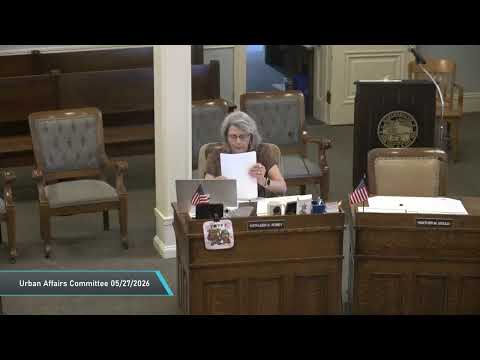
Marlborough committee approves amendment to allow up to 400 units at Results Way
Summary
The Urban Affairs and Housing Committee voted May 27 to amend the Results Way Mixed Use Overlay District to raise Subdistrict 2's cap from 100 to 400 dwelling units, appending language making compliance with Section 650-26 (affordability) a condition of any required site-plan approval; the measure will be reported out to the full council for legal form.
The Marlborough City Urban Affairs and Housing Committee voted May 27 to amend the Results Way Mixed Use Overlay District so Subdistrict 2 may contain up to 400 dwelling units, a change developers said will allow a mix of about 300 garden-style apartments and 100 townhomes across phased build-out.
Developers Terry McKecrin and Kevin Sheen of Grayland told the committee they purchased the campus in late 2020, negotiated a corporate headquarters lease with BJ's Wholesale and a 10-year extension with Hologic, and have partnered with the city on the site of the new Massachusetts State Crime Lab. "We are looking to raise the residential cap from 100 units to 400 units in subdistrict two of the Results Way overlay district," McKecrin said during the presentation. The illustrative master plan shown to the committee includes community amenities and sustainability elements such as walking trails and tree preservation.
The committee discussion focused on whether the additional 300 units should be subject to special-permit review or allowed by right and governed through a development agreement. Councilors raised concerns about retention of mitigation and phasing controls if units are allowed by right. Developers said a development agreement'which requires a two-thirds vote'can achieve the same mitigation and is preferable for project financeability, while some councilors argued zoning is the point to lock in specific commitments. "I would rather see owner-occupied housing versus apartments," Councilor Doucette said, urging more for-sale options amid tight local affordability.
The final amendment replaces the phrase limiting Subdistrict 2 to 100 units with wording for "up to 400 dwelling units" and appends a "notwithstanding" clause making multifamily dwellings in Subdistrict 2 subject to Section 650-26 of the zoning ordinance, with compliance to be made a condition of any required site-plan approval. Committee members also agreed to strike references to "age-restricted" units so those units would not count toward affordable-housing totals.
Committee members approved the amendment by voice vote (reported as 4 in favor) and agreed to report it out for the June 8 council meeting; the solicitor will be asked to put the amendment in proper form for the agenda or, if not ready, to place it on the June 22 agenda. Committee members noted the 90-day review clock lapses July 6.
Background details from the presentation: the developers said existing campus parking is approximately 1,700 spaces and that the full build-out would add roughly 1,500 net new parking spaces; the illustrative program included 300 garden-style apartments, 100 townhomes and an eventual commercial building, with surface parking for early phases. The planning board provided a favorable 5-0 recommendation on May 4, citing compatibility with neighborhood character, a preference for townhouses early in the phasing, and public-accessible trails and tree preservation.
Next steps: the committee will report the amendment to the full council; the solicitor is to prepare the amendment in legal form for the June 8 agenda, or the item will be referred and appear June 22 if additional drafting is required.