Get Full Government Meeting Transcripts, Videos, & Alerts Forever!
Get email alerts on the Student Advisory topic
No spam. Unsubscribe anytime.
Student reps describe EMT training, accelerated pathway and AI, and urge math curriculum fixes
Summary
Student advisory representatives described hands-on EMT training, an accelerated middle-to-high-school pathway and concerns about AI use and Algebra II rigor; committee members requested follow-up on AI policy, math curriculum alignment and supports for struggling students.
Student advisory representatives used the school committee meeting on April 14 to spotlight four areas district leaders say they are taking seriously: a hands-on EMT program, a newly piloted accelerated pathway, classroom uses and risks of artificial intelligence, and troubling gaps in Algebra II readiness.
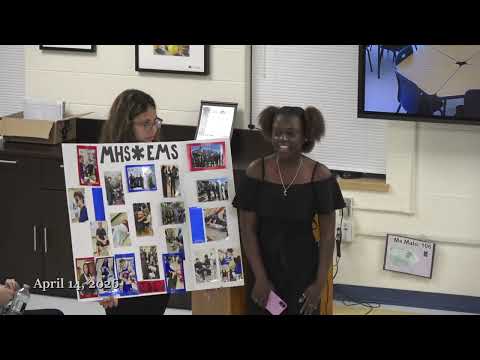
Alaga Gracia, the senior-cycle representative, described the EMT program’s application process, CPR training and internship placements with EMS, police and hospital partners. "We are CPR certified in the beginning. We are also first responders," Gracia told the committee, and said the current cohort began the year with 10 students and has eight now because two left. She said the class combines heavy coursework with practical experience, including EKGs, triage and community visits.
The student perspective on an accelerated pathway came from Jay Nyongo, the student advisory representative for the class of 2028. Nyongo said the pathway would start in sixth grade for math, English and world language, push students up a grade level in each year, and aim to open space in students’ junior and senior schedules for APs or electives. Students who complete the track would receive a "seal of distinction" on their diploma, Nyongo said, and peers called the plan "a huge step forward" for academic options.
Sophia Neves, the freshman representative, urged the district to treat AI tools as instructional supports rather than shortcuts. She said interviews with teachers found both promise and risk: AI is useful "for spellcheck and work refining," but when students rely on it for answers it can weaken independent skills and raise data-privacy concerns because some services log inputs. Neves and teachers reported they have means to detect inappropriate use by comparing history logs and prior student work.
Maggie Moresy, a junior, called attention to student reports of a large gulf between college-prep and honors Algebra II. "There are many students who need a more middle ground class," Moresy said, arguing that curriculum alignment in Algebra I and Geometry should better prepare students who move into Algebra II.
Committee members pressed presenters on specifics: how many students are enrolled in the EMT class (Gracia confirmed eight), how AI use will be governed (district officials said AI policy work is underway), and whether additional tutoring or curricular adjustments could address the Algebra II gap. Dr. Spaza and curriculum leaders have already formed subcommittees to review literacy and to plan high-school history and math reviews; members asked that math be prioritized in upcoming curriculum work.
The presentations placed student voice at the start of a meeting that later included a major facilities vote and several routine budget and donation approvals. Committee members said the student reports will inform ongoing policy discussions and curriculum-review work over the spring and summer.