Get Full Government Meeting Transcripts, Videos, & Alerts Forever!
Get email alerts on the Personnel Policy topic
No spam. Unsubscribe anytime.
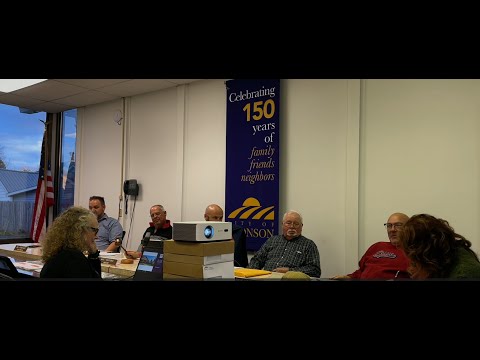
Bronson council tables proposal to pilot four-day workweek, schedules public hearing
Summary
Council discussed a proposed four-day, 10-hour workweek pilot for city staff — citing pros like extended service hours and staff retention and cons including DPW seasonal daylight constraints and billing impacts — and voted to table the item and hold a public hearing for broader input.
The Bronson City Council discussed a proposal from staff to pilot a four-day, 10-hour workweek for municipal offices, with staggered staff schedules to preserve coverage and extended customer-service hours on four weekdays.
Staff presented a list of pros and cons drawn from other communities: extended hours that might help residents with 8-to-5 jobs, potential morale and recruitment benefits, and modest utility savings. Concerns included reduced resident access on a closed Friday, complications for billing cycles (water bills that fall on Friday), seasonal constraints for Public Works (less daylight in fall/winter), and challenges with comp-time accounting for hourly and salaried staff.
Council members raised a range of operational questions: how on-call and DPW coverage would work during winter months, whether bills could shift to avoid Friday due dates, and whether a partial coverage model could maintain five-day service even if individual staff worked four days. One council member suggested a seasonal pilot rather than a year-round change; another recommended gathering community input before adopting any schedule.
After extended discussion the council voted to table the proposal and set a public hearing to collect resident feedback and detailed operational plans before any trial or adoption.
Next steps: staff will prepare more detailed coverage plans, options for trial periods (seasonal vs. year-round), and community engagement materials for the public hearing.