Get Full Government Meeting Transcripts, Videos, & Alerts Forever!
Get email alerts on the Budget topic
No spam. Unsubscribe anytime.
Crestwood finance staff outline $49M budget, $2M summer projects and four‑year loan option
Summary
District finance staff presented a draft 2025–26 budget showing roughly $49.0 million in revenue, $49.6 million in expenses (a projected $570,000 gap), a proposed $2.0–$2.1 million package of summer capital projects, and a recommended four‑year capital note to preserve reserves and smooth debt service.
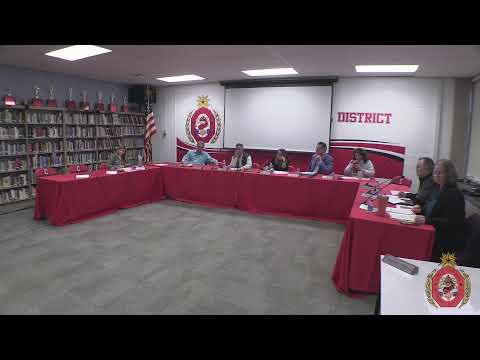
Crestwood School District finance staff presented a draft 2025–26 budget to the board at a work session, reporting about $49.0 million in projected revenue and roughly $49.6 million in projected expenses — a gap the presenter described as “about $570,000.”
The presentation outlined the assumptions behind that draft: no property‑tax increase is included; the budget uses a 92.75% property‑tax collection rate (an average of the last two years); and state subsidy estimates include 100% of currently proposed basic and special education funds plus an assumption the district will receive about 70% of a proposed increase in the state adequacy gap. “The governor’s proposal is Crestwood receiving $1.673 million in adequacy gap; this budget assumes about $1.463 million,” the presenter said in explaining the estimate.
Staff warned of offsetting pressures on revenue and expenses: reduced federal funds and a drop in transportation subsidy (fewer buses in service), rising charter‑school reimbursements and healthcare trend uncertainty. The presenter said charter costs increased and that a typical regular education charter reimbursement is about $11,000 per student while special‑education charter placements can be about $24,000, a difference that can materially affect district expenses.
To fund three planned summer projects — a roof replacement at Fairview (75% grant funded), work on the secondary campus multipurpose stadium and security/educational upgrades at the elementary schools — staff presented two financing components: a four‑year capital note for approximately $1.66 million and use of roughly $500,000 from the capital account. Using the higher combined project estimate presented ($2.1 million rather than $2.0 million approved previously), staff projected roughly $450,000 of additional debt service spread over the next four years if the board approves the note.
The finance presentation also compared borrowing versus spending cash reserves: staff estimated net interest and compounding effects could produce modest net interest gains over the four‑year period under current rate assumptions, but cautioned that closing costs (estimated roughly $68,000) reduce projected savings and that interest‑rate movements could change the outcome.
Board members asked staff to return with detailed reconciliations (the presenter agreed to provide the specific comparison to last year’s actuals), further analysis of the energy‑cost outlook when current contracts expire in December, and updated transportation route and bus counts to refine expected state reimbursement. The board is scheduled to be asked to adopt a proposed final budget in May, with the final adoption vote at the end of June.
Next steps: staff will circulate the presentation slides and follow up with requested back‑of‑envelope reconciliations and updated vendor/loan numbers ahead of the board’s May budget presentation and the June adoption vote.