Get Full Government Meeting Transcripts, Videos, & Alerts Forever!
Get email alerts on the Race And Equity topic
No spam. Unsubscribe anytime.
Residents and community leaders tell Yamhill County commissioners: 'Acknowledge the problem'
Summary
Multiple residents and a physician urged Yamhill County commissioners on June 25 to recognize and address racism in Newberg and the county, citing personal harassment, students' experiences, court records and public complaints; Commissioner King acknowledged concerns and offered to meet with constituents.
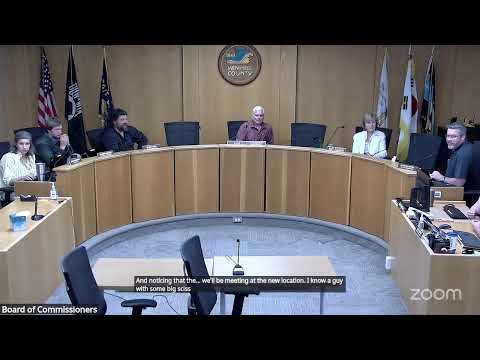
At the June 25 Yamhill County Board of Commissioners meeting, multiple residents and community leaders used the public‑comment period to press the board to acknowledge and address racism in Newberg and across the county.
John, a Newberg resident, said repeated incidents of harassment and threats have left him fearful and distrustful of local institutions. "I will not be believed. I will not be taken seriously," he said, describing court records he said documented repeated targeting. Lisha Adams, who described multigenerational ties to the area, told the board her son "would not be exceptionally safe and comfortable for him as a young black man to come to Newberg," and asked commissioners to consider how their remarks from the dais are heard by minorities.
Other commenters cited what they described as documented civil‑rights problems and urged structural responses. Tracy Moon, who said she has worked in schools for about 17 years, pointed to "federal lawsuits, substantial evidence findings from the Bureau of Labor and Industries, and unanimous jury verdicts" she said show discrimination by local government and school entities and urged the board to "commit to measurable structural accountability." Dr. Gabriel Kleinman, an anesthesiologist at OHSU participating online, publicly called on a commissioner by name: "I am calling on Commissioner Tarrant to answer for these words," referring to past remarks he said denigrated civil‑rights leaders.
The public commenters mixed appeals for accountability with calls for continued dialogue. Elaine Paskela, who works in student behavior and attendance, urged nuance and listening; Jesse Ferris Cunningham said naming racism should not be reframed as a personal attack on all residents and urged the board to "listen before defending." Several speakers recounted local incidents, including a racial slur directed at young people near the aquatic center and a subsequent apology and private meeting that some commenters described as an example of reconciliation.
Commissioner King responded during announcements that he had met with dozens of residents during the week and heard accounts of racism "in every part of our community," and said he is open to continuing conversations with constituents. King praised an instance he described as a conciliatory response by a local resident and said county leadership should "have those conversations whenever possible." The board did not take formal policy action on the topic during the meeting.
The public comments followed an exchange at a prior meeting that several speakers said prompted the current wave of testimony. Speakers urged the board to take concrete steps — including tracking bias incidents and providing transparent spaces for affected residents — and to weigh the effects of elected officials' public remarks on the county's minority residents. The board's next scheduled formal sessions include two virtual meetings in July and a move to a new government services building in August.