Get Full Government Meeting Transcripts, Videos, & Alerts Forever!
Get email alerts on the Food Systems Climate Resilience topic
No spam. Unsubscribe anytime.
Community farms in Massachusetts adopt solar, rain capture and greenhouses to bolster climate resilience
Summary
Speakers at a MAPC webinar described practical resilience steps used by Massachusetts community and urban farms—solar-powered coolers, geothermal greenhouses, rainwater catchment, compost systems—and urged municipal policy changes and funding to scale practices that protect crops and local food access.
Francis Merlo Suarez, a clean energy and climate planner at the Metropolitan Area Planning Council (MAPC), opened a virtual MAPC speaker series event on community food systems and climate resilience, introducing three practitioners who described hands-on strategies to make small farms more climate-resilient.
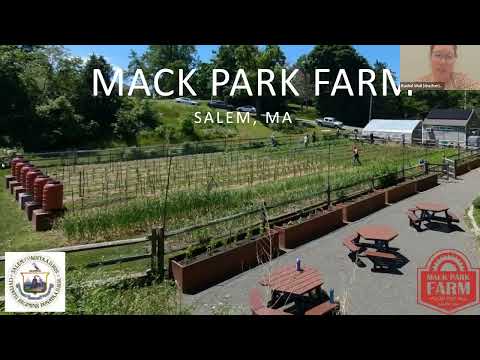
The panel highlighted concrete adaptations being used across Massachusetts: Mac Park Farm in Salem installed solar panels that power a walk-in cooler and equipment, a move funded by a 2022 MAPC Accelerating Climate Resilience grant; East Farm in East Boston built a geothermal-heated greenhouse and uses community-choice clean electricity; and both sites expand rainwater capture, drip irrigation and compost systems to reduce reliance on municipal water and external inputs.
Why it matters: these demonstrations show how modest investments can reduce operating costs, preserve yields and broaden community access to fresh food. Mac Park Farm, managed by Carrie Murphy, produces roughly 6,000 pounds of organically grown food per season and distributes it free at farm markets and to the local pantry. Murphy described installing solar panels that power refrigeration and tools and estimated they have saved about 16,000 pounds of CO2 — “we've never had to pay an electric bill,” she said — and added a solar-powered greenhouse acquired with an MDAR urban agriculture grant.
Panelists emphasized water and soil practices. Murphy described a layered water-catchment system (irrigation pond, rain barrels, gutter-fed 275-gallon cisterns and a new drip irrigation layout) and said the farm will install a water meter this year to establish baseline usage. She also described local composting with industrial tumblers and multi-bag systems to rebuild depleted soils on a site converted from a former softball field.
Conan, executive director of East Farm, described building a zero-carbon greenhouse using geothermal drilling and community-choice electricity, and explained how large roof catchment areas and on-site recharge can reduce runoff and harbor contamination. He said East Farm’s CSA model aggregates produce from many small farms and uses a sliding-scale membership so food-insecure residents can participate.
Kelly, deputy director at Community Involved in Sustaining Agriculture (CISA), which works with more than 400 farms in western Massachusetts, outlined risks facing larger commercial farms: higher pest pressure, more extreme precipitation and drought, labor demands for targeted irrigation, and the need for storage and energy backup. She urged including farms in municipal emergency plans and using state and federal funds to support soil-health practices and energy-efficient infrastructure.
Panelists also discussed municipal policies that reduce barriers for urban agriculture. Murphy described Salem’s urban agriculture ordinance, which allows residents to grow and sell produce under specified limits and created board-of-health requirements (soil testing for sellers) to safeguard public health. Participants recommended that towns create opportunities for regulators to learn about farming and consider demonstration projects on public land to build awareness among elected officials.
The session included a broad Q&A: panelists recommended native perennial edibles and heat-tolerant annuals (blueberries, serviceberries, sweet potatoes, peppers, eggplant) and highlighted seed-saving and local seed producers trialing region-appropriate varieties. They also noted successful models that connect immigrant and refugee growers to incubator farms and local markets.
What’s next: panelists urged continued investment in demonstration sites, more municipal and state-level policy support, and outreach so more farms can access technical assistance and grants. MAPC and partners posted resource links in the chat and invited attendees to follow up for technical referrals, including agricultural water and drainage engineers.
The webinar closed with thanks from MAPC and links to related MAPC and partner resources; attendees were encouraged to sign up for future panels in the Accelerating Climate Resilience series.