Get Full Government Meeting Transcripts, Videos, & Alerts Forever!
Get email alerts on the Housing topic
No spam. Unsubscribe anytime.
Mayor says city has 2,000-plus housing units in pipeline, pushes infill and zoning changes
Summary
In the address the mayor cited a city housing pipeline of more than 2,000 permitted or under-construction units, stated local annual housing demand estimates (about 2,270), and urged zoning changes to speed infill housing and add starter and affordable units while preserving neighborhood character.
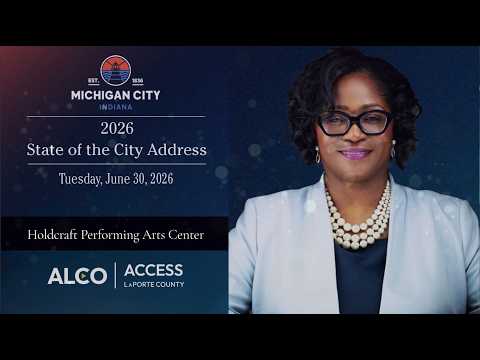
The mayor told the State of the City audience that Michigan City is seeing a surge of housing development, and that the administration will prioritize infill projects and zoning changes to meet local demand.
"Every year, 2,270 people are looking to move into or within Michigan City across every kind of housing," the mayor said, citing a Zimmerman housing analysis presented to the city. She said roughly 40% of that demand already comes from residents who live in the city now and described the housing pipeline as more than 2,000 units permitted or under construction.
Key projects noted include the Franklin (on track for roughly 220 apartments and ground-floor retail), Marquette Flats (described as a 210-unit multifamily proposal tied to the Marquette Theater site), and other developments such as Try Meadows ($44 million), Woodland Ridge ($30 million) and Beachwalk ($10 million). The mayor said the Franklin will be ready in late summer and listed several downtown and citywide investments helping to unlock housing supply.
Why it matters: The mayor framed new housing as both a response to long-standing supply shortages and a way to unlock older housing by creating more move-to options for existing residents. She argued more housing across price points will help families downsize, improve turnover of older inventory and strengthen the city’s tax and income base as Indiana’s fiscal mix shifts.
Policy direction: The mayor said the administration will pursue zoning reforms to make it easier to build starter homes and smaller units inside the existing city footprint, focus on underused parcels and avoid sprawling edge development. She said the aim is not to "change the character" of neighborhoods but to add needed supply.
What was not included: The address did not include specific zoning ordinance language, timeline for code changes, or exact subsidy or affordability targets. The mayor said more details would be available through planning staff updates and future council actions.