Get Full Government Meeting Transcripts, Videos, & Alerts Forever!
Get email alerts on the Dpw Relocation topic
No spam. Unsubscribe anytime.
Residents warn against moving DPW to Century Brass brownfield, consultants say remediation can support reuse
Summary
Public commenters, conservation advocates and consultants debated a proposal to relocate New Milford's Department of Public Works to the Century Brass (CEC) brownfield. Residents urged protecting the town aquifer; the town's engineering consultant said remediation and engineered controls could allow a safe DPW reuse; no final decision was made.
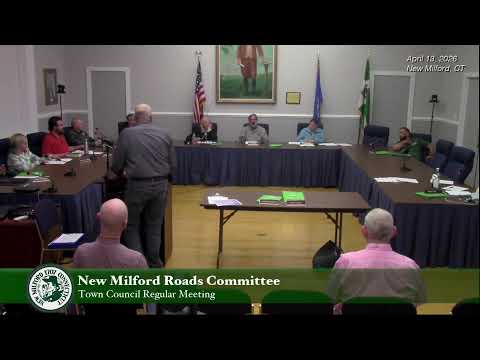
Residents and environmental advocates pressed the New Milford Town Council to halt plans to relocate the Department of Public Works to the Century Brass (Century Economic Center, CEC) brownfield, saying the site sits within a protected aquifer and poses long-term contamination risks.
At a council meeting, Kate O'Keefe, speaking for the New Milford Clean Water Coalition, asked, "How can we as a town take that position and at the same time consider placing a Department of Public Works facility directly over the same aquifer system?" She told the council the CEC site lies in the town's aquifer protection area and supplies drinking water to thousands of homes in New Milford and Brookfield. O'Keefe warned that fuel storage, road salt and equipment maintenance associated with a DPW facility could contaminate groundwater and said the town's plan of conservation and development recommends avoiding adverse impacts to sensitive environmental areas.
Other public speakers echoed that concern. Kate Losey, an ecologist, noted the property has a history of industrial contamination and said the state's Department of Energy and Environmental Protection (DEEP) has designated it a significant environmental hazard; she urged the council to reconsider siting DPW there after lessons learned from the Flat Iron battery project. Hillary Ram said prevention is cheaper than remediation and told the council taxpayers have already spent about $10 million cleaning up the Century Brass location.
The council's mayor introduced a letter from TRC Environmental Corporation, the town's consultant on remediation and redevelopment. The mayor read TRC's assessment that "the vast majority of the investigation and remediation has been conducted" and that remaining work includes targeted investigation of areas of concern and updated groundwater assessment. TRC's letter, read into the record, states that "TRC believes that the planned use of the site as a DPW facility is suitable" when engineered and administrative controls are applied and when work complies with applicable remediation regulations.
Jack Healey of TRC told the council the site has a clay layer below it that reduces the likelihood of a contamination pathway to the aquifer, that areas of concern (AOCs) remain under review, and that closure and remedial work must meet DEEP and EPA requirements before intrusive redevelopment occurs. Healey said DEP oversight and approval of closure plans are required prior to working in identified areas.
The mayor and council members stressed the process will include further public review and regulatory oversight. The mayor said any relocation would require public approval: a town meeting is scheduled for May 5 and the referendum date was set for May 16, 2026. No formal vote or commitment to move DPW occurred at the meeting; council members said they will post consultant reports and proceed through the required DEP/EPA and town-public review steps.
What happens next: the town will post the TRC letter and related reports, continue remediation work required by DEEP where applicable, and present plans and permitting information to the public at upcoming meetings before any binding action. The mayor emphasized the public will decide whether to authorize the relocation at the scheduled referendum.