Get Full Government Meeting Transcripts, Videos, & Alerts Forever!
Get email alerts on the Manhole Steam Hot Water topic
No spam. Unsubscribe anytime.
Residents report scalding manhole vapor and hot tap water; Vicinity Energy and groundwater trust promise follow-up
Summary
Residents and neighborhood associations said elevated underground temperatures and manhole vapor have produced burned surfaces and hot tap water; Vicinity Energy described a June 3 relief-valve event and pledged to investigate individual reports while the Groundwater Trust explained how groundwater and leaks affect subsurface temperatures.
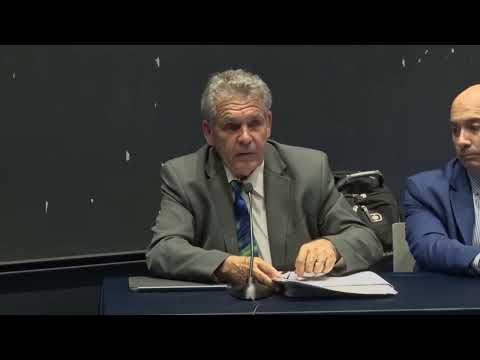
Multiple residents at a Boston City Council neighborhood hearing said they are experiencing unusually high underground temperatures, hot tap water and dangerous manhole vapor in Chinatown and the Leather District and asked utilities and the city for clearer explanations and faster remedies.
Alice Chen, a resident of 210 South Street, described recording by the Boston Groundwater Trust showing groundwater near manholes reaching about 161°F and said steam and heated manhole covers had burned a child and damaged building interiors and data equipment. "The manhole covers are dangerously hot due to the steam coming out of them, which is a burn hazard," Chen said, and asked what the solution would be to reduce elevated temperatures affecting residents and families walking to school.
Don Silva of Vicinity Energy responded that Vicinity had previously engaged engineers and the Groundwater Trust to diagnose heating issues near 77 Atlantic A and that an expansion-joint failure and subsequent relief-valve activation explained a loud controlled steam release on June 3. He pledged to follow up with residents and the distribution manager to investigate ongoing heat reports. "We will engage with you to see what can be done and... get with the distribution manager and try to find out," Silva said.
Christian, executive director of the Boston Groundwater Trust, described monitoring about 800 wells and how localized leaks or repairs can change groundwater levels and temperatures: "As soon as one of those pipes develops a crack or a leaks... the water in that tub is going to go down," he said, and conversely, infrastructure contact or leaks can raise groundwater and affect service lines.
Panelists acknowledged that Vicinity’s system operates at high temperatures by design and that secondary vapor forms where groundwater or stormwater collects in manholes. Vicinity and National Grid said they perform preventive maintenance, can pump and ventilate manholes, and install non-heat-conductive manhole lids in pedestrian areas to reduce surface heat. Vicinity explained that safety devices such as relief valves can emit loud vapor as part of a designed pressure-relief process.
Residents pushed for systematic neighborhood inventories of hot spots and clearer public notification when controlled releases or relief events are planned. Katherine Freriedman of the Leather District Neighborhood Association asked for a standing forum to keep the neighborhood included in ongoing coordination among city agencies and utilities.
Vicinity committed to follow up individually with affected residents and to coordinate with the Water and Sewer Commission and the Groundwater Trust. Councilors Flynn and Murphy said they will host a follow-up virtual meeting after the summer to review progress.
No formal regulatory action or vote was taken at the hearing; utilities promised investigators and follow-up contact with residents.