Get Full Government Meeting Transcripts, Videos, & Alerts Forever!
Get email alerts on the Legal Expenses topic
No spam. Unsubscribe anytime.
Commissioners consider setting aside funds as legal challenges loom over county’s green-energy moratorium
Summary
The court discussed the legal exposure and potential outside-counsel costs tied to Van Zandt County’s temporary moratorium on some green-energy projects, and a commissioner suggested budgeting roughly $200,000 to cover possible litigation or outside counsel needs.
Van Zandt County commissioners spent a portion of the hearing assessing legal risk tied to the county’s temporary moratorium on certain green-energy developments, and whether to budget for outside counsel and litigation defense.
County leaders reviewed the role of the Texas attorney general’s opinion and noted that an AG opinion, while persuasive, does not settle disputes that ultimately require court resolution. Given that the county is the only one in the state known to have imposed such a moratorium in this form, commissioners said they should plan for potential legal challenges.
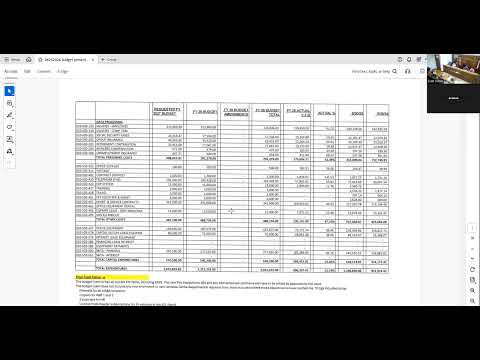
Commissioners debated whether to increase the non-department legal expense line to retain outside counsel, with one commissioner proposing a ballpark figure near $200,000 depending on the number and complexity of cases. The court discussed multiple scenarios, including enforcement questions related to game rooms and battery-storage projects that may require civil or administrative defense.
Speakers also noted the prospect that roles and responsibilities could change next year—if district-attorney staffing shifts, for example, the county might need to retain outside counsel for civil matters ordinarily handled by a county attorney.
The court did not allocate funds during the session but directed staff to include scenarios and estimated legal spending in budget documents so the commissioners can weigh contingency funding and whether to hire dedicated counsel or retain firms on a case-by-case basis.
The commissioners flagged that any final decision about litigation spending should be transparent to taxpayers and tied to clear policy direction from the court.