Get Full Government Meeting Transcripts, Videos, & Alerts Forever!
Get email alerts on the It Budget topic
No spam. Unsubscribe anytime.
Commissioners review IT budget as license-plate reader, storage and cybersecurity costs rise
Summary
Van Zandt County commissioners scrutinized IT line items including rising evidence-storage fees, license-plate-reader software renewals, branch firewalls and Starlink connectivity, and discussed privacy and operational trade-offs ahead of budget finalization.
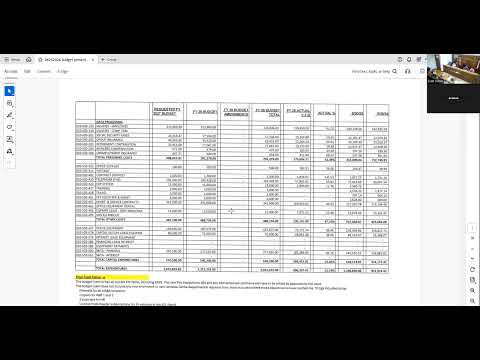
Van Zandt County commissioners on Wednesday reviewed proposed information-technology spending that county staff said reflects a mix of higher software license fees, storage costs for an evidence video library and more equipment to support remote precincts.
IT staff told the court that much of the department’s increase comes from software that other offices—especially the sheriff’s office and district attorney—run through the county IT structure. The evidence library contract has moved from roughly $12,000 to more than $21,000 on recent invoices, and staff said they need time to review the vendor paperwork to determine what drives the jump.
Commissioners also heard about recurring costs tied to license-plate-reader (LPR) software and the embedded cameras that gather LPR data. Staff flagged that some LPR licenses were good for only one year and would require renewal, adding several thousand dollars to next year’s budget if the county retains existing units.
The court discussed technical upgrades for the county’s remote sites—adding small firewalls and VPNs to road-and-bridge ‘barn’ locations, more cradle points and additional Starlink circuits for tower sites. Staff said those moves would improve security and reliability but increase hardware and support needs across multiple precincts.
The meeting included a brief, unquantified airing of privacy concerns: some commissioners warned that broader LPR deployment and integrated cameras risked intrusive data collection if access and retention policies are not tightly controlled. Commissioners asked staff for contract detail, usage metrics and a clearer invoice trail before approving larger recurring amounts.
The court did not take a final vote but directed staff to provide invoices, contract terms and usage information for contracts that showed steep increases so the commissioners can decide during final budget adoption after revenue numbers are confirmed later in July.