Get Full Government Meeting Transcripts, Videos, & Alerts Forever!
Get email alerts on the Environment Affiliates topic
No spam. Unsubscribe anytime.
LCTCS hears pitch to join Keep Louisiana Beautiful network; presenters ask system to allow community college affiliates
Summary
Lieutenant Governor Nungesser, Keep Louisiana Beautiful director Susan Russell and Chancellor Aspenwald asked the LCTCS board to allow community colleges to become affiliates of the statewide litter-prevention network, highlighting student engagement, access to grants and awards and campus-level implementation plans.
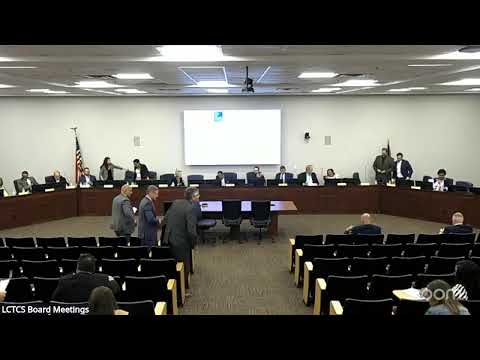
At its June 11 meeting, the Louisiana Community and Technical College System Board of Supervisors heard a presentation from Lieutenant Governor Nungesser, Susan Russell of Keep Louisiana Beautiful and Chancellor Aspenwald asking that the system permit community and technical colleges to participate as affiliates in the statewide Keep Louisiana Beautiful network.
Lieutenant Governor Nungesser told the board that the initiative has grown rapidly: “we had about 50 groups clean up during Love the Boot week … this past year a little over 1,400 groups around the state,” and said allowing community colleges to affiliate would extend grants, awards and conference access to those campuses. Susan Russell said the affiliate model connects campuses to a statewide network focused on “litter prevention, waste reduction, and increasing recycling,” noting the organization’s mix of 13 university affiliates and 44 community affiliates and arguing colleges could provide boots-on-the-ground leadership.
Chancellor Aspenwald described the proposed community-college affiliate program as a way to “engage Louisiana’s community and technical colleges in advancing environmental stewardship, fostering a culture of sustainability, and inspiring behavioral change through education, collaboration, and action on campus and in surrounding communities,” and outlined a structure that would name campus points of contact and draw on student groups to run local cleanups and outreach.
Board members asked how the program would function on campuses. Staff and chancellors said each campus would identify a point of contact, use existing campus committees (student affairs, academic affairs, workforce development) to coordinate activity, and incorporate student organizations such as SGA to run events. A student board member described an on-campus pilot, saying student volunteers “went around our campus and personally picked up all of the trash that we could see,” and urged scaling that engagement across campuses.
Presenters asked the board to endorse the policy change to allow community colleges to join the affiliate network; during the meeting they sought the board’s support and offered to provide implementation details and campus-level rollout plans. The board did not record a formal vote to adopt the affiliate designation during the presentation; members welcomed the proposal and asked for follow-up materials and a staff recommendation for a formal action at a future meeting.
For now, system staff will provide more detailed implementation guidance, including points of contact on each campus, a plan for student engagement, and the process for colleges to apply for affiliate status and any associated grants or awards.