Get Full Government Meeting Transcripts, Videos, & Alerts Forever!
Get email alerts on the Internal Audits topic
No spam. Unsubscribe anytime.
LCTCS audit committee cites fixes at colleges and urges stronger disaster-recovery testing
Summary
The LCTCS audit committee on Dec. 11 reviewed three internal audits — purchase-card/travel, restricted fees and disaster recovery — finding few active violations but recommending more formal testing and documented plans systemwide, and noting colleges have taken corrective steps in response to audit findings.
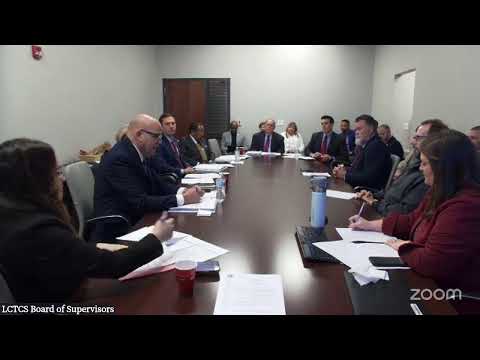
The Louisiana's Community and Technical College System (LCTCS) Board of Supervisors Audit Committee reviewed three internal audit reports at its Dec. 11 meeting, finding limited current compliance problems but urging more formalized testing and planning for disaster recovery.
Mr. Jess L, who presented the internal-audit summaries, said the office issued three reports since August, including a purchase card and travel review at Northwest Louisiana Technical Community College that found no current findings. "Last year they had a review from the Office of State Travel ... they had a few findings, so our review started from when that report was issued ... what's noteworthy about that is they've corrected the issues," Mr. Jess L said.
On restricted fees at South Louisiana Community College, auditors reviewed the academic excellence and building-use fees and found no issues; a minor compliance gap was identified for the college's tech fee plan because auditors could not initially document that the college had solicited student input as required by legislation. "Even before we issued our report the college has put in a plan ... it's already done and dusted," Mr. Jess L said.
The committee also heard a disaster-recovery review at Fletcher, which auditors characterized as a collaborative engagement with the college already demonstrating a robust plan. Auditors recommended maturity improvements — a business-impact analysis, clearer prioritization of job functions, measurable recovery time objectives, identification of backup systems and locations, and documentation of plan testing — and suggested at least annual tabletop testing to validate readiness. "Document the testing of your plan ... it can even just be a tabletop exercise once a year," Mr. Jess L advised.
Chancellor Carlson said Fletcher's work drew on lessons from Hurricane Ida and that the college convened a working committee to make improvements. Committee members emphasized the value of pre-event contracts for generators and refrigeration equipment to ensure campuses can respond to extended outages and noted that certain emergency expenses may be reimbursable under applicable funding programs.
The audit office said it has started four of the six projects approved in August and will begin the remaining two in calendar year 2025. The committee encouraged colleges to document testing and recovery exercises and to formalize vendor contracts for emergency response.
The committee moved on with no vote on policy changes; the meeting continued to other agenda items and closed after a reminder about ethics training.