Get Full Government Meeting Transcripts, Videos, & Alerts Forever!
Get email alerts on the Technology And Environment topic
No spam. Unsubscribe anytime.
Memphis Council accepts advisory recommendations for AI/property-tax funds amid community demands for stronger health and housing commitments
Summary
The Council accepted recommendations from a public advisory board on how to allocate revenues tied to AI/data-center property taxes. Residents, particularly from Southwest Memphis, urged prioritizing health clinics, air monitoring, and pre-weatherization housing assistance and called for binding commitments from AI companies.
The Memphis City Council on June 23 formally received recommendations from a public advisory board on allocating public-use bond and property-tax revenue generated by AI and data-center facilities. The actionable recommendations were presented as community guidance; council members and administration officials clarified that the advisory list is a set of recommendations to inform future allocations rather than an immediate spending plan.
Why it matters: Community members who live nearest AI facilities pushed for direct, measurable investments in health care, housing weatherization, and environmental monitoring. Richard Massey, representing neighborhood concerns, called for binding community benefits and accelerated air-quality monitoring tied to large AI employers. He cited community concerns about groundwater use and air pollution and urged that 25% of AI property-tax revenue be dedicated to proximate neighborhoods.
"We demand allocating public funds towards community health clinics and increased air quality monitoring," Massey said, urging enforceable commitments if companies delay planned water-reuse facilities.
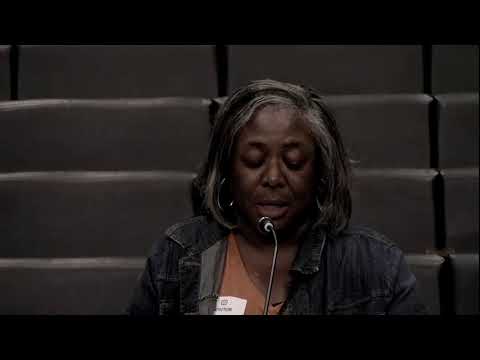
Public-health and housing proposals included a health-care grant program to help families cover visits and essential equipment, a $1 million pre-weatherization program targeted at home repairs and inspections, and transportation support to improve access to care. Raquel Miller recommended placing certain grant administration with local nonprofit partners to ensure access and match local needs.
Council response and process clarification: Councilwoman Walker, who served on the advisory board, emphasized that the council was receiving recommendations for consideration and that the city already performs some of the functions on the list; accepting the advisory report does not mean existing city responsibilities will be replaced by XAI revenue. Several council members encouraged continued community input as the city determines concrete allocations.
Next steps: Having accepted the advisory board’s recommendations, the Council signaled it will return to the topic with administrative proposals on specific program design, funding levels and accountability measures—particularly how to secure binding commitments from AI firms when projects rely on company-built infrastructure such as water-reuse systems.