Get Full Government Meeting Transcripts, Videos, & Alerts Forever!
Get email alerts on the Transit topic
No spam. Unsubscribe anytime.
Transit advocates urge Memphis City Council to add $20 million for MATA; riders cite missed buses and service cuts
Summary
Dozens of public commenters asked the Council to increase the city’s transit investment by $20 million to restore routes, improve reliability and accountability at MATA. Speakers described missed buses, a 60% on-time metric, and broader service declines affecting workers, students and businesses.
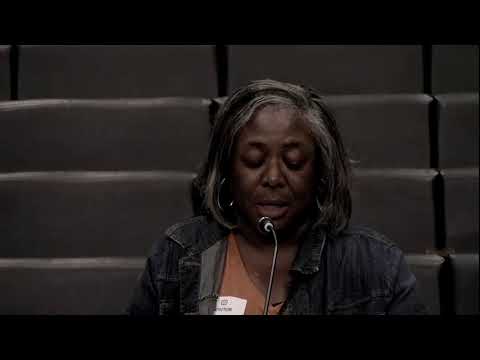
Dozens of riders and transit advocates urged the Memphis City Council on June 23 to sharply increase the city’s investment in public transit, saying recent service cuts and governance changes have left many residents unable to reliably reach work, school and medical care.
During the public-comment period related to Item 21, speakers from Better Transit for a Better Memphis and allied groups called for a $20 million increase in the city contribution — raising it from roughly $32 million to about $52 million in the coming fiscal year. Dorothy Connor, co-chair of the Memphis Transit Equity coalition, said the increase is needed to adjust for inflation and to restore routes and frequency to pre-pandemic service levels.
"We are asking the city council to increase the city of Memphis investment in public transit from 32 million to 53 million for the next fiscal year," Connor said, outlining a community estimate that $52 million would be required to restore service.
Other speakers cited operational problems: Keisha Hughes, a transit advocate with a master’s degree in city planning, described repeated missed buses and a system that is on time "about 60% of the time," arguing that governance and transparency at MATA must improve so riders can rely on schedules. Allison Donald, a MATA rider, asked the council to hold the MATA administration accountable and to restart transit committee oversight and reporting to the public.
Business and education stakeholders also spoke: William Edner, a manufacturing board chair, and Matthew Hernandez, a KIPP Memphis volunteer, both said reliable transit is essential to getting workers and students to jobs and classrooms on time.
What the council heard: Callers proposed operational and funding fixes including ending a high-cost management contract, reinstating a board with clearer oversight, defining what "stabilization" means for MATA and publishing monthly progress reports. Several speakers asked the Council to direct specific revenue sources (such as previously earmarked retiring-pilot funds) to the Transit and Mobility special revenue fund created by Ordinance 5830.
Council response: Council members asked administration staff for more information on funds that might be available and noted this public pressure as the budget vote approached. No immediate council action to commit the $20 million was made on the floor that night; advocates urged follow-up and specific reporting back.
Next steps: Advocates said they expect the Council to provide a detailed accounting of existing transit funds and to consider the funding increase during final budget implementation and supplemental appropriation decisions.