Get Full Government Meeting Transcripts, Videos, & Alerts Forever!
Get email alerts on the School Finance topic
No spam. Unsubscribe anytime.
Crestwood committee flags sharp rise in legal costs, special-education claims
Summary
District staff presented a five-year legal-cost trend showing total counsel costs rising from about $180,000 (2021–22) to roughly $492,000 (2024–25), with special-education legal expenses alone jumping to $216,000 in 2024–25; the board asked staff for a deeper analysis and an executive-session review.
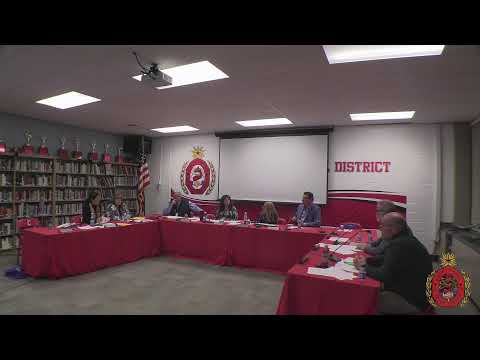
Tommy, a district staff member, told the financial planning committee that Crestwood’s legal spending has risen sharply over five years: “our total legal costs for the year were about 180,000” in 2021–22 and “last year that jumped up to almost $500,000 of which 216,000 is special ed related.”
The presentation broke out the five‑year trend: roughly $180,000 in 2021–22, about $230,000 in 2022–23, $300,000 in 2023–24 and about $492,000 in 2024–25. Special-education legal expenses were reported at about $36,000 (21–22), $25–26,000 (22–23), $52,000 (23–24) and $216,000 (24–25).
Board members expressed concern about the magnitude and rapid increase. One member asked whether the spikes reflected settlements, outside counsel fees, tuition placements or other costs; Tommy said the report is broken out by vendor and that some payments were to legal firms representing claimants while other entries reflected the district’s counsel and internal counsel expenses. He also said placements and tuition are tracked separately and are not included in the legal‑cost figures presented.
Superintendent Malazo said administration cares about students and programming and acknowledged she had not previously seen the detailed trend report Tommy presented: “I did not have any of that data specifically that he just reviewed right now with all of you. But I am aware of all the settlements that do on on the agenda and I have been more actively involved.” She committed to providing information and to working with board members on follow‑up analysis.
Board members asked staff to prepare a fuller five‑year analysis that would describe the nature of the claims, vendor roles and whether systemic issues in special‑education practice or documentation might be contributing to disputes that lead to legal action. Members also requested an executive session to review sensitive case details and to identify potential corrective steps, such as training, paperwork audits, or staffing changes.
The committee did not take a final vote on policy changes during the discussion; instead members directed staff to return with detailed analysis and to schedule the executive-session review. The board’s next regular voting meeting was set for Jan. 15, when related finance items will be considered.
What’s next: The administration will provide the requested trend analysis, including vendor breakdowns and recommended next steps; the board signaled it expects follow‑up in executive session to examine the underlying cases and sensitive details.