Get Full Government Meeting Transcripts, Videos, & Alerts Forever!
Get email alerts on the Micromobility topic
No spam. Unsubscribe anytime.
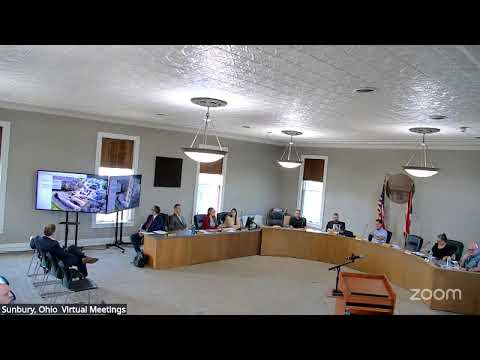
Sunbury committee reviews proposed e‑bike and scooter rules, seeks enforcement and education plan
Summary
At its July 1 meeting the Sunbury Services Committee reviewed proposed changes to e-bike and micromobility rules to align with Ohio law, add 'unsafe operation' enforcement as a minor misdemeanor, and direct police to prepare public education materials before rollout.
Sunbury staff presented a redlined draft of proposed changes to the citycode on e-bikes and micromobility devices at the July 1 Services Committee meeting, saying the goal is to "improve the safety of the pedestrian, cyclists, and motorists," and to align local rules with Ohio law, the presenter said.
The committee learned the draft distinguishes device classes and where each is allowed: traditional bicycles would remain permitted on sidewalks, streets and shared paths; e-bikes with the motor off would be permitted in the same areas; e-bikes with the motor engaged would be prohibited from sidewalks and limited to roadways; and low-speed micromobility devices such as some scooters and Segways would be permitted on sidewalks and shared-use paths but not on streets under the proposed language. A staff correction during discussion clarified that scooters would not be allowed on streets under the proposed 37310 C revision.
Staff also proposed adding a new enforcement section (proposed 331-38) establishing "unsafe operation" as a minor misdemeanor to give police enforceable options. Examples listed in the draft include failing to yield to pedestrians, traveling faster than conditions safely allow, weaving through pedestrian traffic, passing without sufficient clearance, causing evasive action, distracted operation, and loss of control. Committee members raised observed behaviors they want addressed, including riders going through stop signs and multiple passengers on single devices.
On helmets and classifications, a staff member who identified himself as Vic said, "Class three, I believe it is for all operators and passengers," and he offered to verify state law applicability for Class 1 and Class 2 bikes. Committee members asked staff to check the exact state rules and to consider additional local helmet provisions for lower-class devices.
Police and education were central to the committeeconversation. Staff said the police reviewed the provisions and found them enforceable; the department will prepare an education package before the ordinance is rolled out. The package could include short videos and school outreach; staff indicated school resource officers and SAFE Delaware County Coalition materials may be involved, and staff noted Judge Hamowski of the Juvenile Court Division had been on informational correspondence about the issue.
The committee requested that the police prepare and present a more detailed enforcement and education plan at the next Safety and Services meeting. No formal vote on the ordinance occurred; staff will return with clarifications (including helmet applicability and specific device-weight language for larger rental scooters) and the planned police education materials.