Get Full Government Meeting Transcripts, Videos, & Alerts Forever!
Get email alerts on the Certificate Of Occupancy topic
No spam. Unsubscribe anytime.
Assessors, builders clash over interior inspection practice; board reaffirms permission rule
Summary
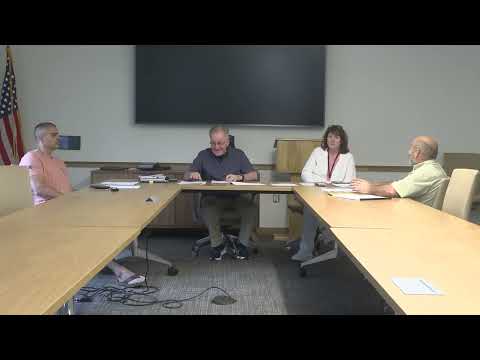
At a June 30 Board of Assessors meeting in Norton, members, staff and a local builder debated whether assessors should conduct interior inspections tied to certificates of occupancy. The board agreed assessors cannot enter interiors without owner permission and discussed outreach to explain cyclical inspections to residents.
The Board of Assessors debated Tuesday over whether assessors should conduct interior inspections tied to certificates of occupancy and how the town should notify residents about upcoming cyclical inspections.
Denise Ellis, director of assessing, said the state recommends interior inspections in some circumstances but that practices vary among towns and that "it's recommended by the state, but it's not mandated." The board exchanged accounts from builders and staff about local practice, with one meeting participant who identified as a builder saying they had "never had an assessor have to do an interior inspection on a build in order to get the CO issued... only in Norton." Denise Ellis said assessors must follow state procedures and that the office's approach is to verify facts and stay within legal standards.
The chair clarified a standing limit on assessor access: "We cannot go into the interior of any building ever without permission," a point the board repeated several times during discussion. Members emphasized a distinction between exterior inspections, which may be done without permission, and interior access, which requires owner consent or an appointment. On liability, staff said assessors and their town departments carry standard insurance for on-site inspections.
The board discussed measurement practices and why assessors sometimes verify square footage even when certified plans exist: plans can differ from as-built conditions and upgrades made without plan amendments can materially affect valuations. Denise Ellis explained assessors do field checks and use sales data when interior access is not granted.
Members pressed for clearer public communication about cyclical inspections. James Shabbet, the clerk, proposed an agreed public notice explaining the state's decennial inspection requirement and listing streets where assessors will work; several members supported using the town website and targeted social media posts to reach residents.
The board did not adopt a new formal policy at the meeting but reached consensus on two operational points: assessors will not enter interiors without consent, and the office will develop clearer, multi-channel public notices explaining inspection schedules and what residents should expect. The board also agreed to coordinate further with the building department on how inspection sign-offs and as-built information should be shared to reduce redundant requests for homeowner access.
The board approved the meeting minutes for June 23, 2026, and adjourned. The board scheduled a follow-up meeting in July to continue operational planning.