Get Full Government Meeting Transcripts, Videos, & Alerts Forever!
Get email alerts on the Micro Mobility topic
No spam. Unsubscribe anytime.
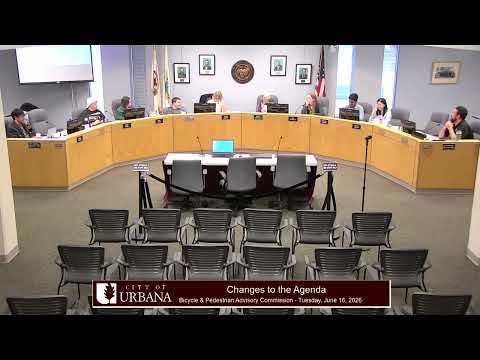
BPAC reviews state micro-mobility law and local bike-share safety concerns
Summary
BPAC members reviewed recently passed SB 3336 guidance on e-bikes and micro-mobility, discussed local Vioride operations and incident reporting, and weighed enforcement and equity concerns raised by disabled residents and riders.
BPAC members spent substantial time on micro-mobility: the group reviewed SB 3336 — a state bill that recently passed both chambers and is headed to the governor — and discussed local shared-mobility operations, reporting tools and safety issues raised by residents.
A commission presentation summarized SB 3336’s main practical effects as described in the meeting: it distinguishes high-speed micro-mobility (motor-driven devices capable of more than 28 mph) that would require a driver’s license, title, registration and insurance and that would be banned from sidewalks, from low-speed e-bikes (class 1–3) that may use bike lanes and bike paths but not sidewalks. The meeting noted the bill sets minimum ages (15 for class 1–2 e-bikes, 16 for class 3) and lowers the minimum age for e-scooters to 16. Members raised questions about how Illinois Vehicle Code wattage and battery limits interact with the new classifications and agreed to seek clarification via email with state contacts.
Locally, BPAC discussed Vioride (VO) bike operations and a resident complaint read into the record about bikes being left on private property. Members confirmed that staff and the bike-share working group are drafting contract language and that planning staff (Evan) is taking the lead on negotiations. The commission recommended discrete parking bays for shared bikes to reduce sidewalk clutter and to make vehicles easier to locate.
Multiple members reported safety incidents: one commission member said they had been struck by a VO bike while in a wheelchair and urged improved enforcement and reporting. Staff reviewed the operator’s complaint channels and recommended reporting incidents with as much detail as possible so the operator can identify the user (email contacts cited for VO operators included hello@vioride.com and uops@vioride.com). The commission also discussed education, distribution of bike lights for visibility, and public outreach events to promote safe riding.
Members emphasized equity concerns: age and licensing requirements could disproportionately affect people who lack driver’s licenses, and members worried about over-policing of low-income or student riders. BPAC agreed to follow up with clarifications on the vehicle-code details and to coordinate with staff on contract terms and public outreach.